Introduction
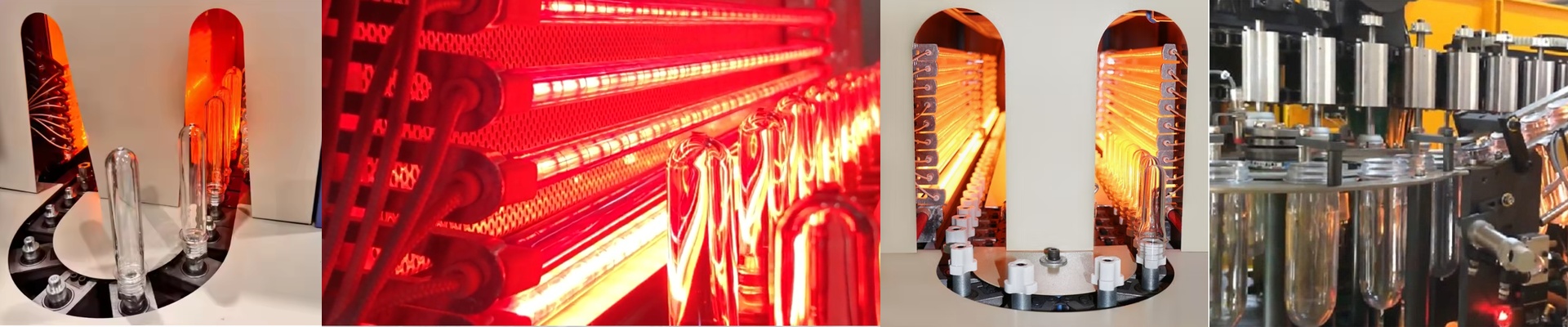
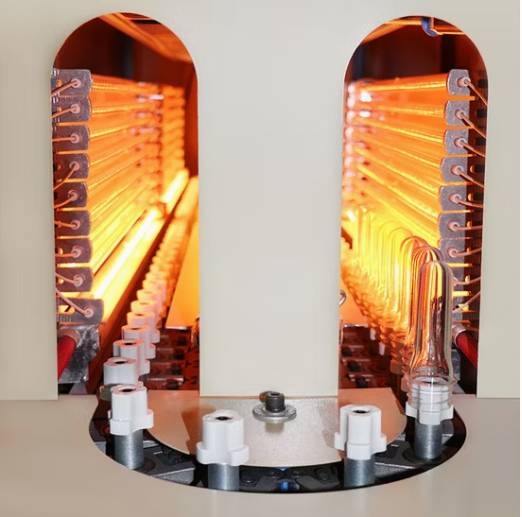
We built this aluminum reflector plate with one machine in mind: the Sidel SBO line. But honestly? It’s tough enough to hang with the relentless pace of a SACMI rotary blow molder, too. The whole idea is straightforward: get that lamp hot, fast. Keep the heat steady. And hold up, cycle after cycle. It’s a drop-in part, designed to keep up with high-speed PET blowing without making your machine skip a beat.
Technical Deep-Dive: Power, Voltage, and Geometry
We built the system around a shortwave infrared halogen lamp. It’s spec’d to heat up quickly—right in step with the machine’s timing. To do that, we went with a high-voltage design. It slashes the lag between the signal and the heat, so the startup response is much snappier. The geometry is matched to the SBO footprint, too. The tube length and the reflector shape are tuned to focus the energy exactly where you need it: on the preform neck and parison. It’s not about brute force. It’s about pulsing the heat in perfect time with the cycle.
Material & Design: Reflector, Coating, and Connectors
At the heart of it is an aluminum reflector plate. We picked aluminum for its rigidity and how well it holds its shape when things get hot. Then we added a high-reflectivity coating. It bounces as much infrared energy as possible back onto the target, so you don’t waste heat. The lamp itself sits inside a quartz envelope, which handles the rapid temperature swings without cracking. For the connections, we went with an R7s connector. It’s compact, tough, and built to survive the heat and vibration inside a rotary blow molder. It wires up clean, and it stays put, even when the machine is taking a beating.
Application & Benefits: SACMI-Ready Performance
On a SACMI rotary blow molder, the cycle is tight and the timing is locked in. Our reflector plate helps the lamp get up to speed fast, so the heating zone hits setpoint quickly—and stays there, cycle after cycle. The payoff? Consistent preform heating, fewer rejects, and less downtime spent waiting for the heat to settle. Here’s the thing, though: that high power density means your machine’s cooling and ventilation need to be up to the task. If the airflow isn’t enough, the reflector and lamp will run hotter than we designed them to. But match the airflow to the spec, and you get a thermal profile that’s reliable and repeatable. The kind that keeps your line moving without fuss.