

What Makes These Heaters Actually Work
Let’s talk about what you feel when you step under one of these halogen patio heaters. That instant blast of warmth? That’s by design. These aren’t trying to warm the whole atmosphere. They’re built to aim their energy right at people and furniture—like standing in a sunbeam, only better. To pull that off, we lean on serious wattage, anywhere from 1500W to 2500W. Then comes the voltage question. You’ll usually see these spec’d at 230V or 400V. Why? Because the more power you draw, the more you need the right voltage to keep the wiring sensible. Higher voltage means lower current for the same wattage, so the cables stay a manageable size and you don’t lose power over longer runs. As for the tube length—anywhere from 300mm to 600mm—that’s about shaping the warmth. Shorter tubes keep the heat tight, like a focused spotlight. Longer tubes spread it out, giving you a wider comfort zone.
Built to Take the Heat
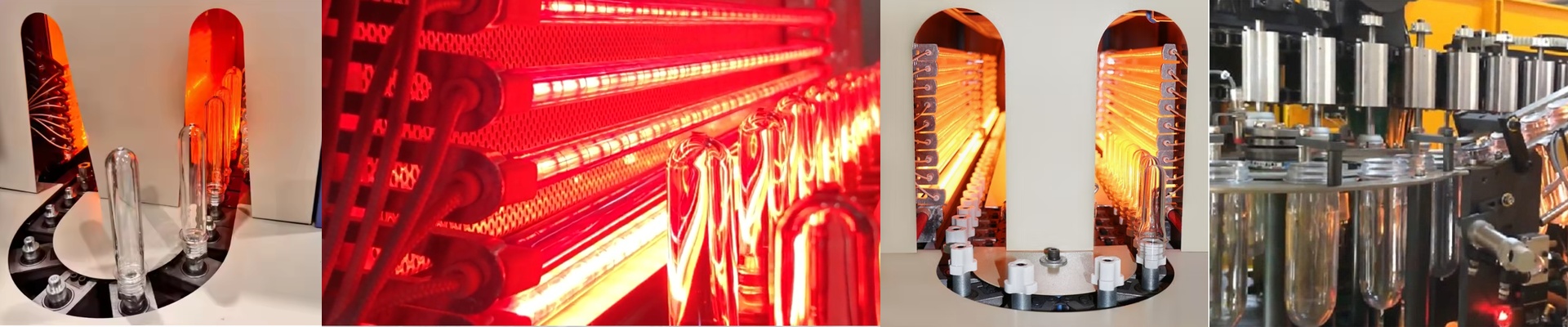
Inside, you’ve got a halogen-filled quartz tube. Quartz earns its keep by handling the shock of switching on and off again and again, staying solid even at scorching temps. The halogen part is the quiet hero. It helps keep the filament clean by cycling tungsten back where it belongs. That means the output stays steady, and the lamp lasts longer than your average incandescent. And when it comes to hooking up, the R7s connector is the no-nonsense choice. It’s a double-ended, direct-contact terminal that uses ceramic insulators to carry the load safely. It gives you a solid mount and a reliable connection—plus, it makes swapping out the lamp a straightforward job in any compatible fixture.
Why Patio Heaters Love This Tech
On a chilly evening, what you want is heat, and you want it now. Halogen infrared heaters deliver exactly that—no waiting around. Flip it on, and you feel the warmth almost immediately. That direct, targeted approach shines in open outdoor spots where wind would just steal convective heat. But here’s the part to keep in mind: these get hot, fast. Surface temps are high and the output is concentrated, so you need proper clearances and mounting hardware that can handle the heat. For the people putting it together, that translates into something good: a simple, tough system that behaves predictably and stays easy to maintain when it’s time to change a lamp.