


Outdoor evenings are only as comfortable as the heat you can count on. No flicker, no hot spots, no guesswork. The weak point in a lot of electric heaters is the wiring where the element meets the chassis. In an in-wall electric fireplace, that joint sits in a tight, enclosed space where heat builds and the unit cycles on and off. Give it time, and cheap seals dry out. Oxygen finds its way in, connections oxidize, and performance turns erratic—sudden shutdowns, or worse.
What matters, technically
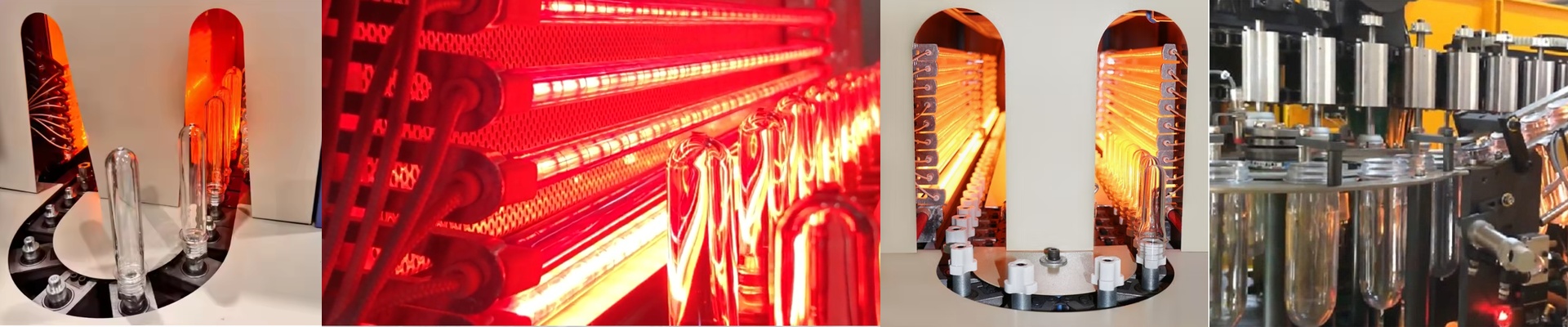
We build our in-wall electric fireplaces around sealed lead-throughs and high-temperature ceramic terminal blocks. The infrared heating element is wired with high-temp silicone-jacketed cable rated to 300°C, and the entry point is potted with a thermally stable epoxy. That potting fills every gap, locks out moisture, and keeps the electrical interface stable through thousands of heat cycles. Inside the firebox, a thermal cutoff and a full-coverage shield keep adjacent components running cooler, while an IP-rated seal at the front glass limits drafts and keeps the viewing area clear. The payoff is steady infrared warmth, predictable draw, clean operation, and a long service life.
Why this approach fits in-wall installs
In-wall installations are compact by nature, so airflow is tight and heat tends to soak into framing and trim. Our wiring strategy was developed for that reality. It keeps internal temperatures lower where the wiring lives, so heat output stays consistent season after season. You feel the difference as even warmth across the room—not a blast that fades fast. For homeowners, that translates to fewer service calls, quieter operation, and a space that stays comfortably warm when the outdoor air turns sharp.
What you need to know up front
Because these units are recessed, they require a dedicated circuit and proper clearance to nearby materials. The in-wall footprint is tight, so plan around stud locations and the required cavity depth. For best results, pair the unit with a thermostat that matches the load, and follow the junction box and service access guidance. That bit of planning protects performance and keeps the install clean.