

Outdoor Radiant Heater: The Real Heat That Actually Travels
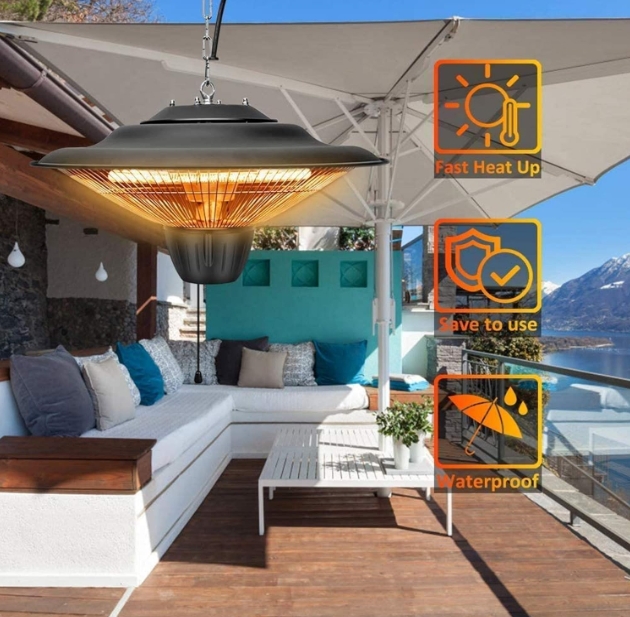
You know that feeling when you step outside on a bitterly cold day, and the wind just steals the warmth right out of the air? Yeah. We do too. That’s why we built our outdoor heaters around high-intensity halogen tubes. Because when it’s freezing out, you don’t want heat that just warms the air and gets whisked away. You want heat that gets moving—that goes straight where you need it. These systems throw direct infrared energy. It cuts right through wind and hits your target—whether that’s people, equipment, or a specific work area. No waiting around. No wasted warmth.
The Power Behind the Heat
Here’s the thing about our outdoor heater tubes: they run on 400V, not the standard 230V. Why does that matter? Because it lets you run longer lines without needing thick, expensive copper wiring. You get more reach with less bulk. And get this—a 2500W power rating packed into a compact 300mm tube. That’s a serious amount of heat in a small space. Perfect when you’re tight on room but still need heat, and you need it now. Just keep in mind, that kind of concentrated power means the fixture itself runs hot. So give it some breathing room in your control panel, and shield nearby components from the heat.
What’s Inside That Makes It Last
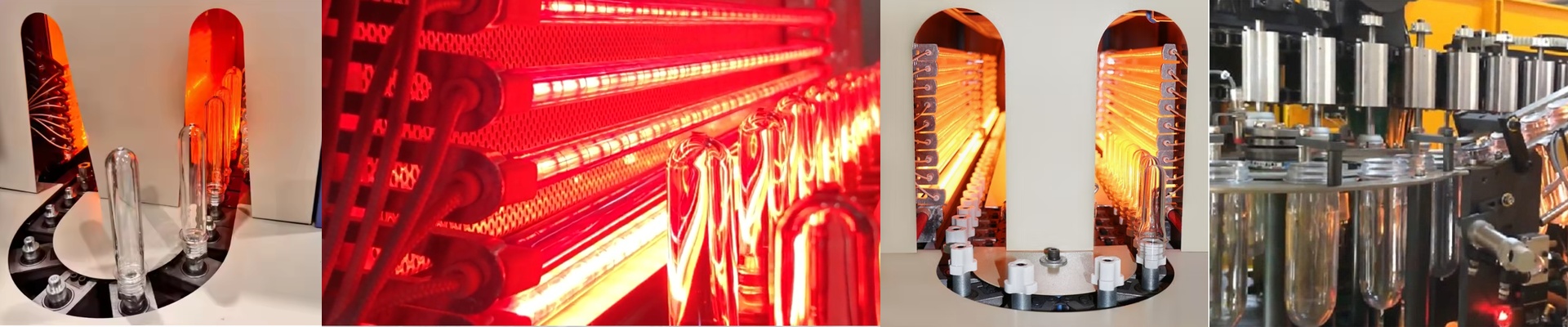
We use halogen technology inside a tough quartz envelope. It keeps the filament stable, even when it’s screaming hot. That means fewer burnouts, especially when you’re flipping the system on and off. The tube coating is designed to spread the infrared heat evenly and prevent hot spots. Those hot spots can crack when rain and wind hit, so this coating is your silent protector. And the R7s connector? It’s a simple, two-pin ceramic setup that locks the tube in tight. No wiggle. No sparking. Just a solid, reliable connection.
Where This Stuff Shines
These heaters were born for the tough spots—the plant yards, the loading docks, the exposed workstations where regular heaters just give up when the wind picks up. You wire it up, point it where you need it, and bam—instant heat. Now, there’s one thing to keep in mind. This is line-of-sight heat. So coverage depends on placement and the angle of the reflector. But if you plan that angle from the start, you’ll get predictable, steady warmth. And the best part? Once it’s set, you’ll barely think about maintenance.