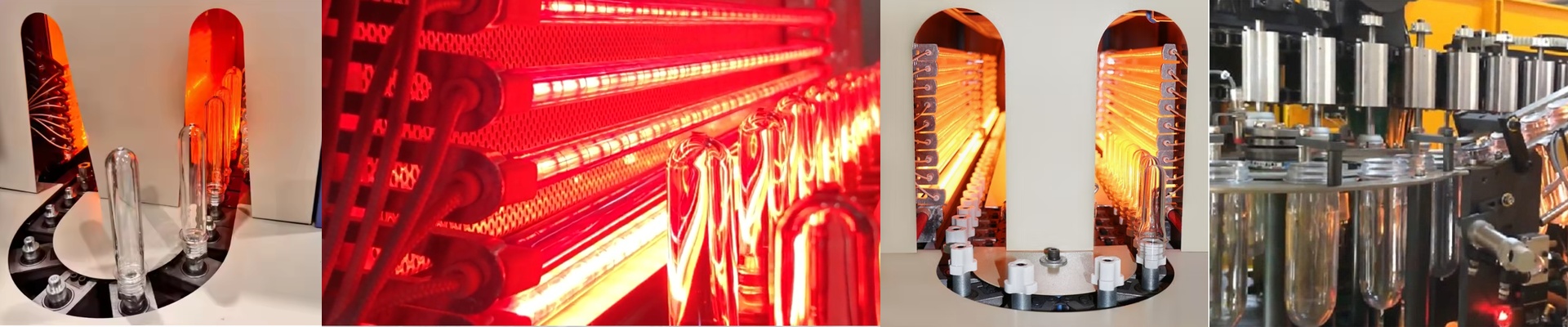
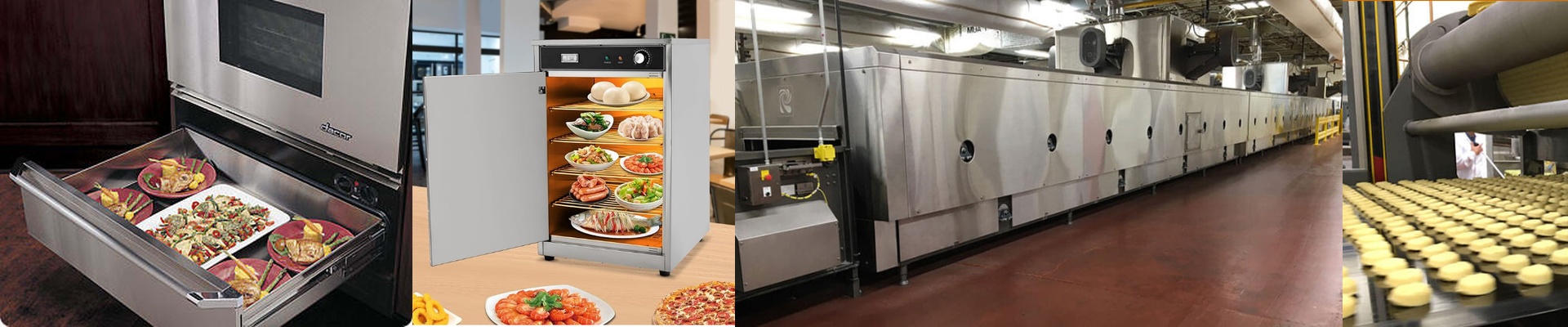
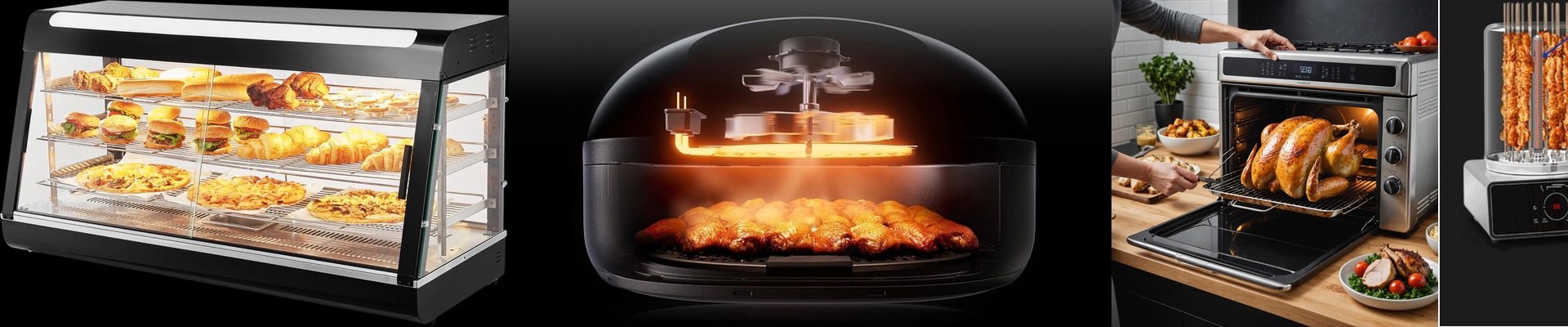
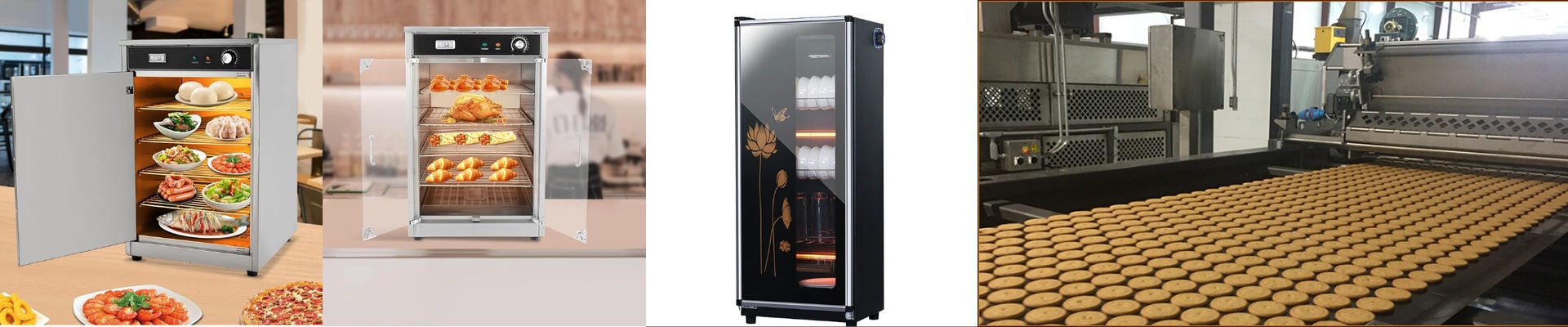
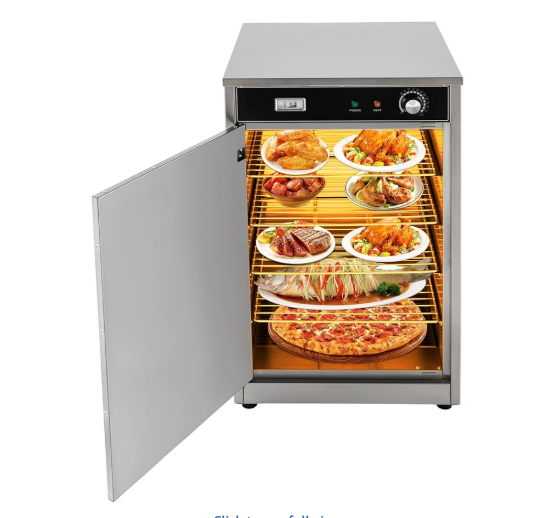
In a busy commercial kitchen, the warming station is the quiet workhorse that keeps service from falling apart. When a plated entrée hits the pass, it needs to be hot—without getting dried out. When proofed buns are waiting to bake, they need steady heat, not hot spots that ruin the rise. A lagging or weak thermal element breaks that rhythm. You end up rushing, sacrificing texture, and wasting energy. What matters under the hood This warming element is built for the controlled heat a warming station demands. It uses a high-response quartz heating core in a low-thermal-mass design, so the unit comes up to temp fast and reacts immediately when you adjust the thermostat. In practice, that means tighter temperature stability inside the chamber—less overshoot, less drift. It runs on standard voltage configurations, fits common mounting footprints, and the housing is food-safe and easy to clean, built to take steam, grease, and daily scrubbing. Where it earns its keep This element shines where consistency isn’t optional. On a deck oven prep line, it holds proofed items at the right surface temperature without collapsing the structure. In a holding cabinet, it keeps proteins moist and starches pliable. Fast warm-up cuts the wait between cycles, and stable holding temp means fewer rejected covers and fewer last-minute reheats. The payoff is fewer temperature swings, predictable output, and less energy burned per service. The practical details Installation is straightforward, but the element performs best when the warming station’s insulation and door seals are in good shape. If heat is leaking, the control system has to work harder to keep up. Match the element to the station’s rated amperage, and make sure the thermostat can keep pace with the fast response. If you run long holding periods at high heat, plan on periodic checks of the mounting hardware and terminals to keep performance steady over time.