



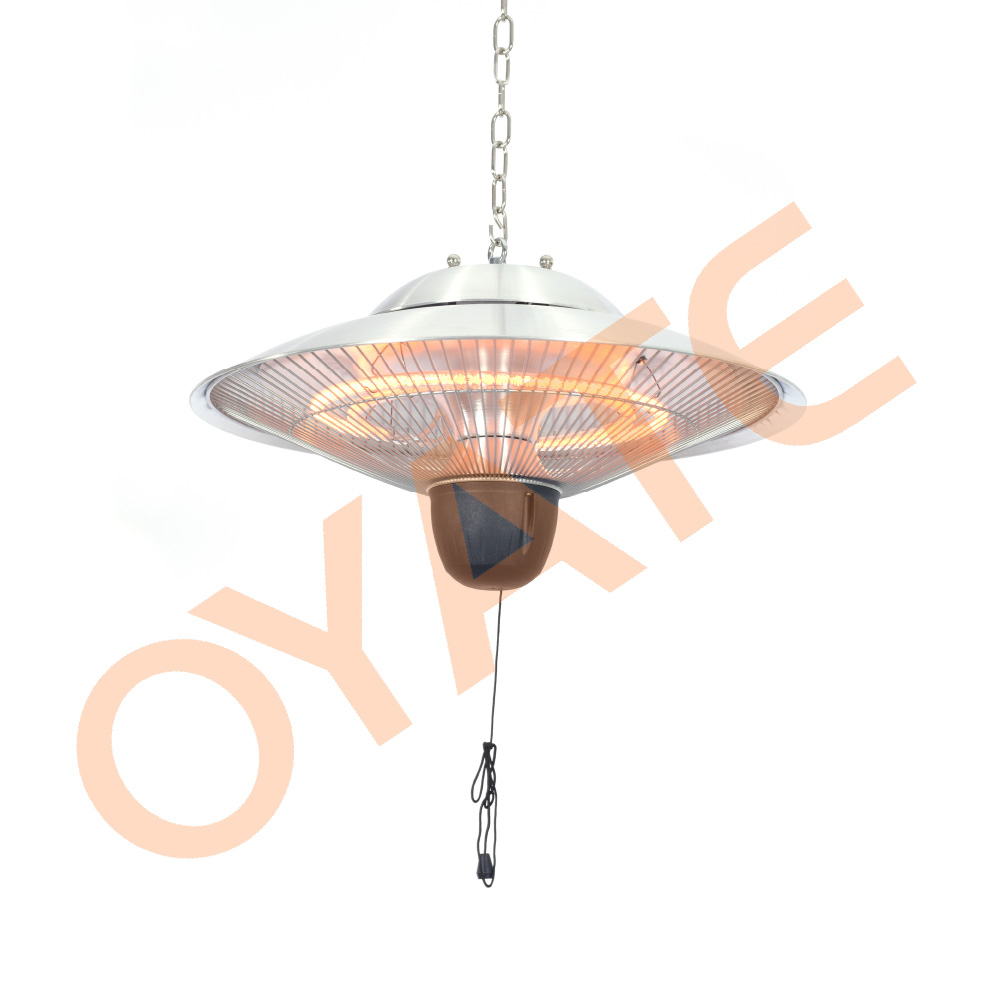
How to pick the right infrared heater for your bathroom
If you’ve ever stepped out of a hot shower into a freezing bathroom, you know that feeling. It’s miserable. But when you’re picking out a heater for a wet room, you can’t just grab any lamp off the shelf. You’re dealing with steam and splashes, which is why you want something with an IP55 rating. Basically, that rating means the housing is built to keep dust and water jets away from the electrics. It keeps things safe so you don’t have to worry about a short circuit while you’re brushing your teeth.
Getting the wattage right
Here is the trick: don’t overdo it. Buying a massive heater for a tiny room is just throwing money away. If you have a small powder room—something under 4m²—a 250W to 400W shortwave lamp is plenty. It hits you instantly. You feel the warmth the second you flip the switch, and the room doesn’t turn into a sauna. But if your bathroom is bigger (think 6m² to 12m²), you’ll want to jump up to 600W or 800W. If you try to use a weak lamp in a big room, the heat just vanishes into the air before it even reaches you. You’ll end up leaving it on forever, which kills the filament and makes your electric bill jump.
How the heat actually works
These heaters use quartz glass and tungsten filaments. The cool part? They don’t actually warm up the air in the room. Instead, they warm up whatever they’re pointing at—which, in this case, is you. Because of that, where you put the heater matters just as much as how powerful it is. Mount them directly overhead. That way, the heat goes straight to where it’s needed.
A few things to watch out for
More power sounds better, but it puts more stress on your wiring. If you decide to install three 800W lamps on a circuit that isn’t built for it, you’re going to trip the breaker. It’s a pain to fix, so just double-check your cable gauge before you start wiring everything up. One last thing. High-density heat in those IP55 boxes causes the metal to expand and shrink every time you turn it on and off. Over a few years of heavy use, that can wear down the seals. It’s not a dealbreaker, but it’s something to keep in mind for the long haul.