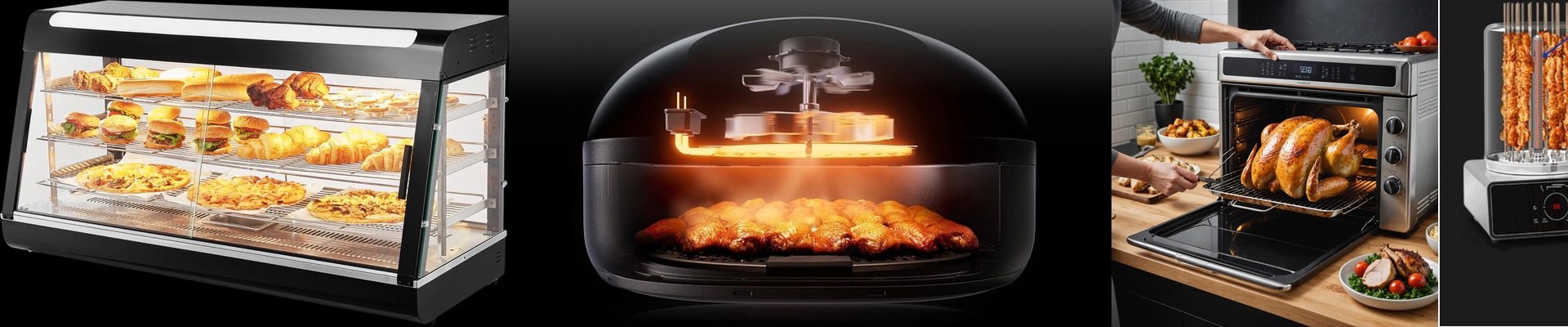
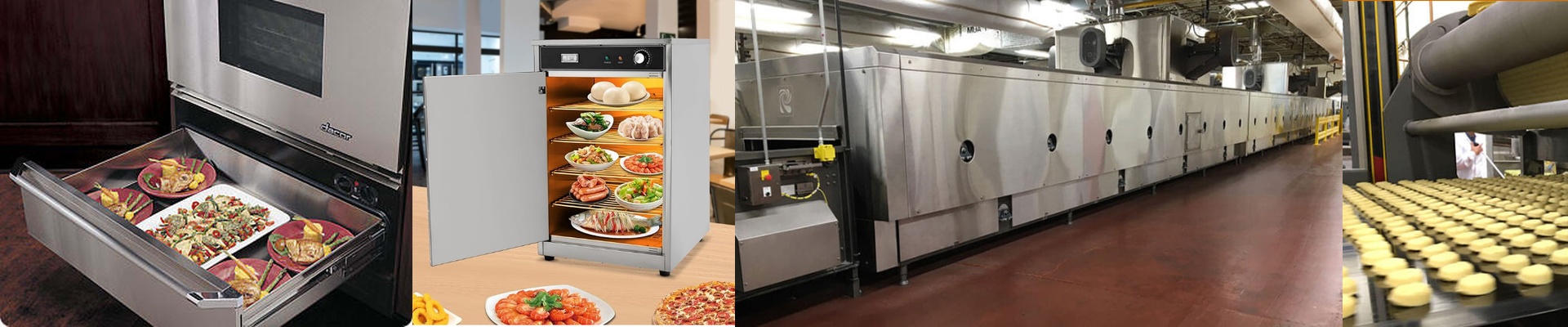
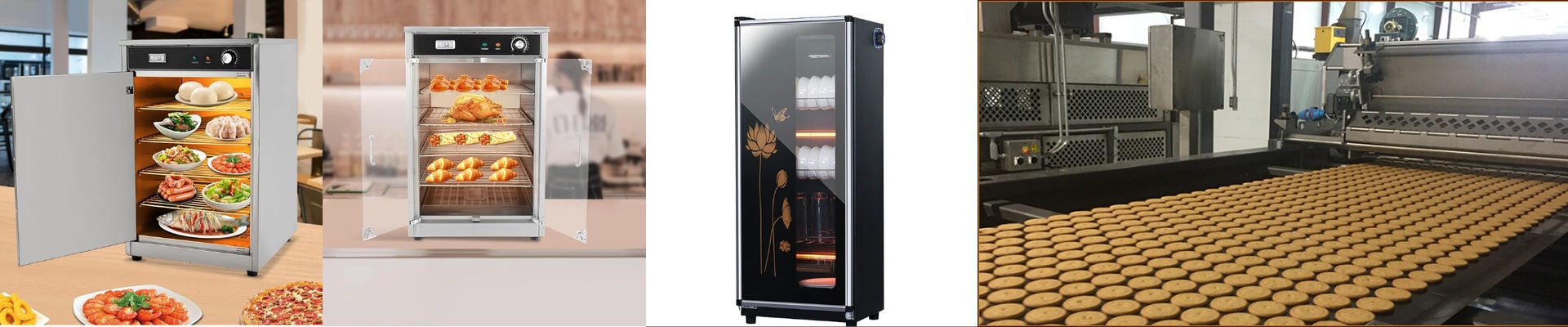
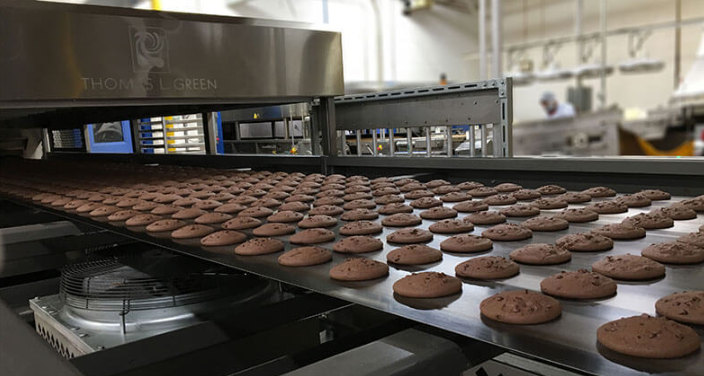
When the tickets pile up and the door keeps swinging, the thermostat starts fighting you. That uneven heat turns decent dough into a guessing game. You end up with pale tops and scorched bottoms, crusts that split instead of shatter, and hot spots that force you to rotate every tray. In a busy deck oven or convection cell, that kind of inconsistency costs you time, product, and sanity.
What matters under the hood
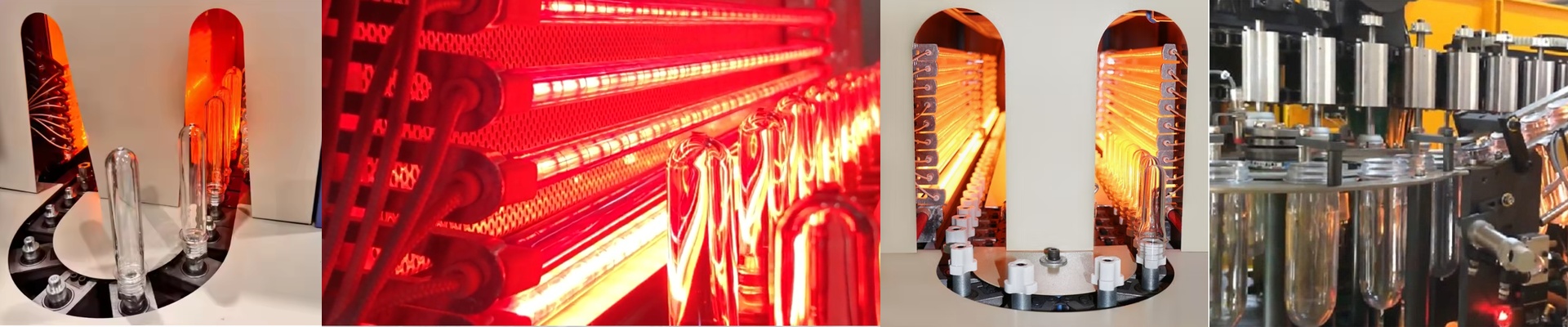
We built these frosted quartz food warmer heating tubes around medium-wave infrared output. It penetrates the surface and pushes heat where it counts—without scorching. The frosted finish diffuses the radiant energy, so the intensity spreads out instead of blasting in one spot. The payoff is a more even temperature profile across the baking chamber. In practice, that means fewer hot corners, more repeatable color, and a bake that stays honest when the rush hits. These tubes come up to temp quickly, recover fast after door openings, and hold steady under the cycling loads of a production oven.
Why this makes sense in real-world ovens
In a deck oven, infrared keeps the stone hearth responsive while the top heat browns clean. You get crusts that set fast without drying out the crumb. In convection use, the tubes work with airflow, not against it. You get even caramelization without the dry edges that come from over-forced air. The result is a more forgiving bake window—same color and crispness tray after tray, with fewer rejects and less time spent rotating pans and babysitting the line.
What you need to get right on install
Installation is straightforward, but spacing and mounting matter. These tubes need proper clearance from pans and walls to avoid localized overheating of nearby surfaces. They also require a thermostat or control that can manage infrared cycling without overshoot. Plan the layout to match your oven cavity, and you’ll get the evenness you’re after—without chasing hot spots.