Getting Your Kitchen Heat Bridges Actually Right
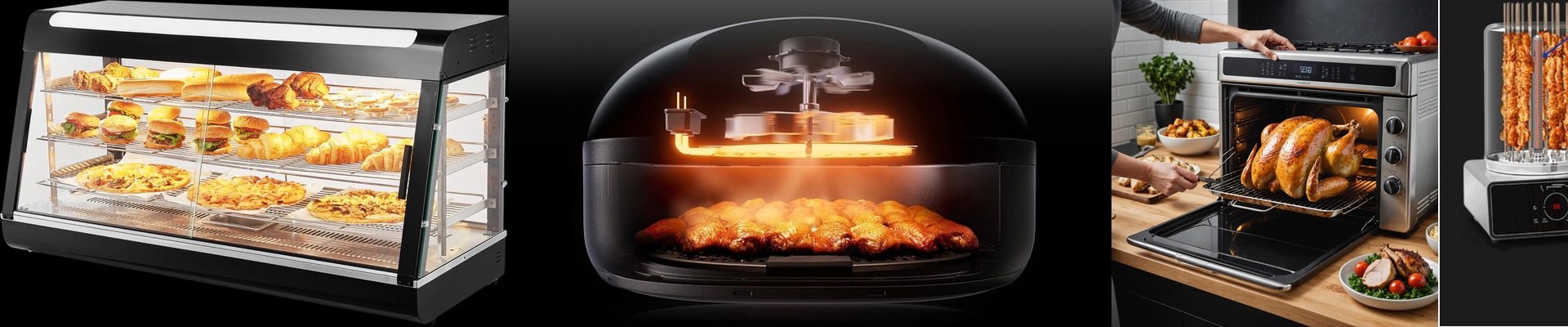
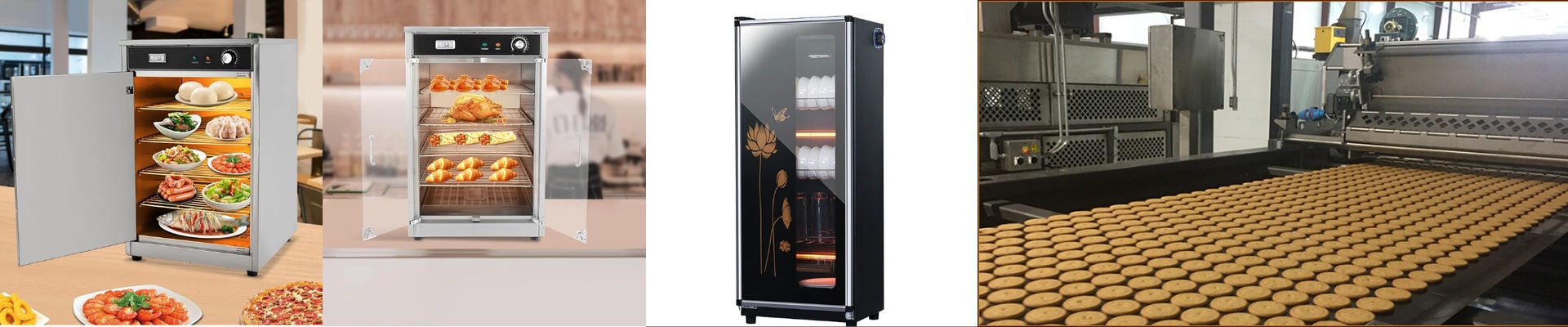
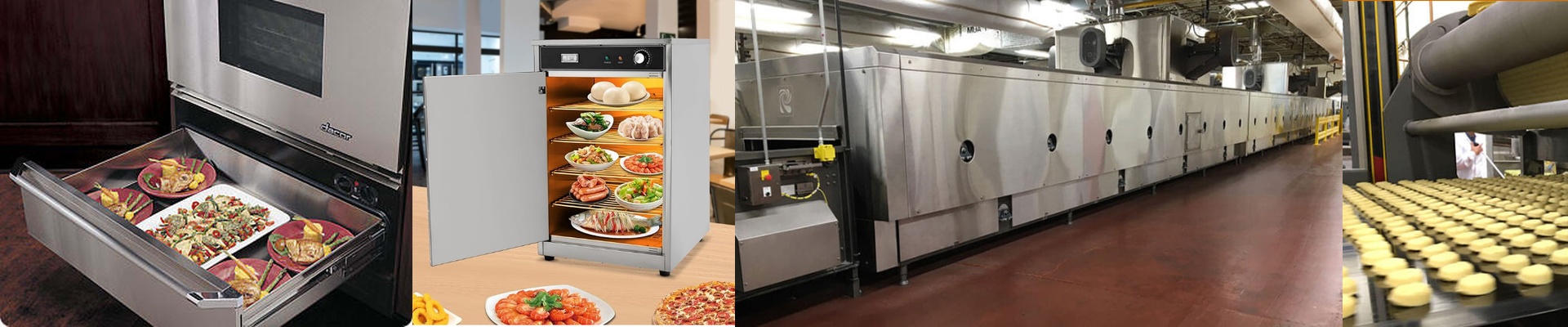
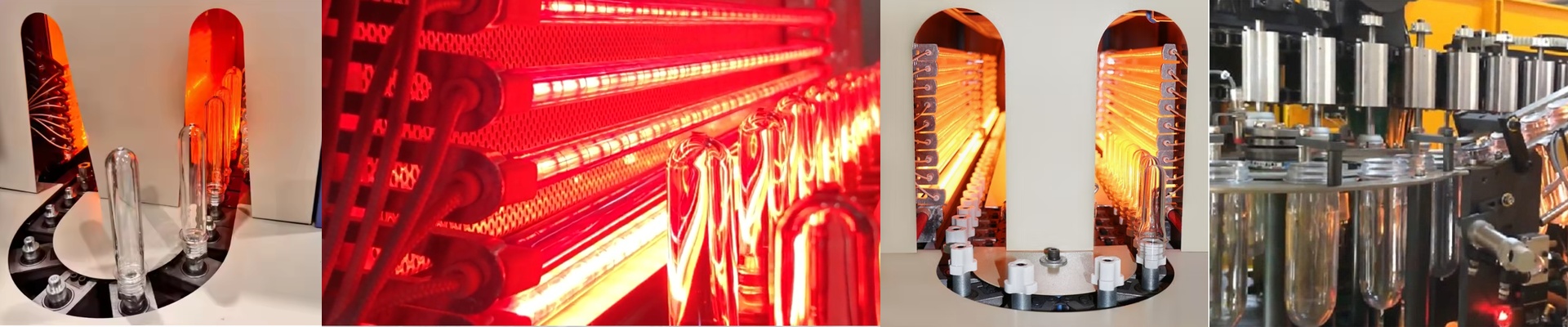
When you’re running an automated kitchen line, you can’t afford to wait minutes for a heater to warm up. You need that target temperature now. That’s why we lean on short-wave infrared lamps. Instead of wasting time heating up the air around the food, these lamps beam energy directly into the surface. It’s fast. Really fast. Making the hardware play nice Connecting a lamp to a PLC isn’t as simple as flipping a light switch. To keep things precise, we use PID controllers and fast-acting SSRs. Basically, the system pulses the power (PWM) to keep your temperature window tight—we’re talking within ±1°C. If you’re building a high-volume line, you want short-wave quartz elements. They have almost no “lag” and ramp up the second you tell them to. Fitting it into your space Every conveyor moves at a different speed, so we tweak the wattage and length to match your flow. A longer lamp is usually the way to go—it stops those annoying “cold spots” from popping up as the food moves across the bridge. And we know how cramped these lines get. We can customize the brackets and wiring so the lamps tuck into tight spots without getting in the way of your sensors or robotic arms. The stuff people forget Here’s the thing: high-density IR heating pulls a lot of power. If you’re wiring up several 2kW lamps in one bridge, that initial surge can trip your breakers if you aren’t careful. You’ve got to size your cabling and contactors for the peak load, not the average. One more tip: short-wave IR penetrates deep. If you’re working with thin products, you’ll need to play around with the distance between the lamp and the food. Otherwise, you’ll end up with a burnt surface before the middle even gets warm.