A Better Way to Heat Your Rotary Ovens
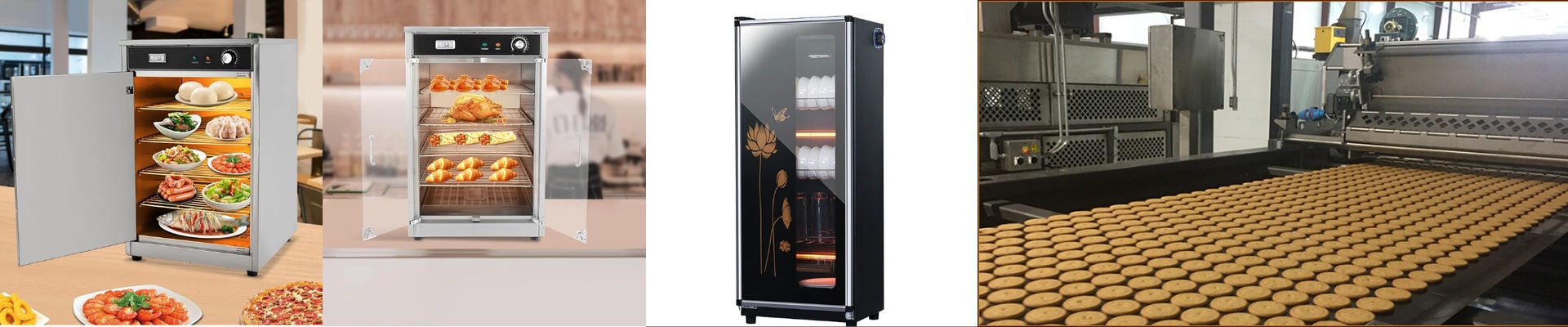
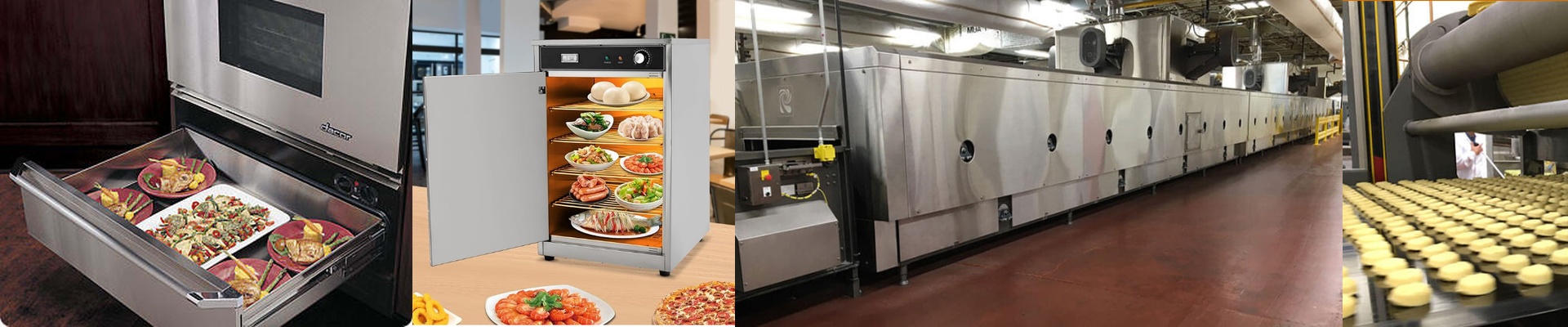
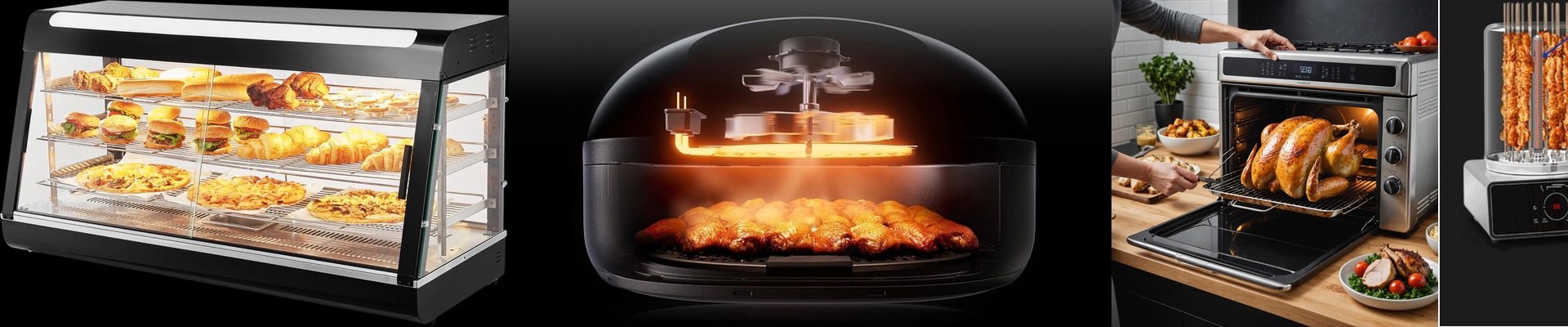
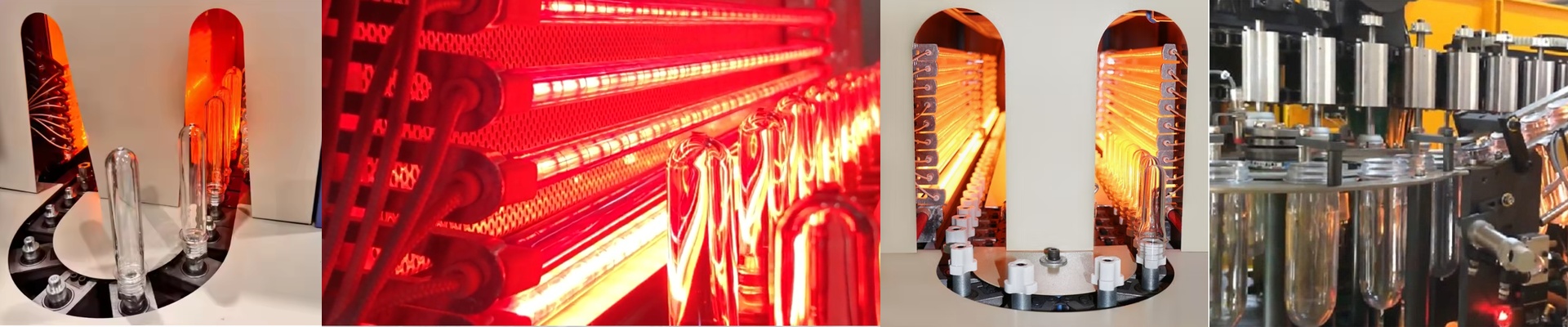
Ever feel like your rotary oven is just wasting energy heating up the air around the food instead of the food itself? That’s the problem with traditional convection. It’s slow, and there’s a lot of lag. We do things differently with our infrared (IR) replacement heaters. Instead of waiting for the air to get hot, these lamps send energy straight into the product. It’s direct. It’s fast. And it changes the whole rhythm of your kitchen. Cutting the Waste Most ovens try to maintain temperature by pushing massive volumes of hot air. It’s inefficient. We use short-wave or medium-wave quartz tubes to pack the heat exactly where it needs to be: on the food. You stop wasting electricity on heating the oven walls or the room. This is how you actually run a “green” kitchen without just talking about it. Your oven ramps up faster, and since it doesn’t have to stay at peak temp for nearly as long, your power bill takes a hit. The Hardware Side of Things These lamps are built for the heavy lifting—high wattage that can keep up with constantly rotating racks. We use high-purity quartz glass because it lets the IR waves through without blocking them. Depending on your setup, you’re probably looking at a 220V or 380V system. We make sure the end-caps fit right in, so you can just swap them out. Just a heads-up: if your sockets are old and worn, give them a quick check for fit before you start the install. A Few Things to Watch Out For Now, here’s the catch. IR heating is aggressive. Because the heat transfer is so intense, you can actually scorch the surface of your food if you aren’t careful. If your rotation speed is too slow for the lamp’s power, the outside will burn before the center is even warm. You’ll need to tweak your conveyor or rotary speed to match the heat. My best advice? Toss in a PID controller. It lets you modulate the power based on the actual surface temperature of the food in real-time. It takes the guesswork out of it.