Stop Burning the Outside and Leaving the Inside Raw
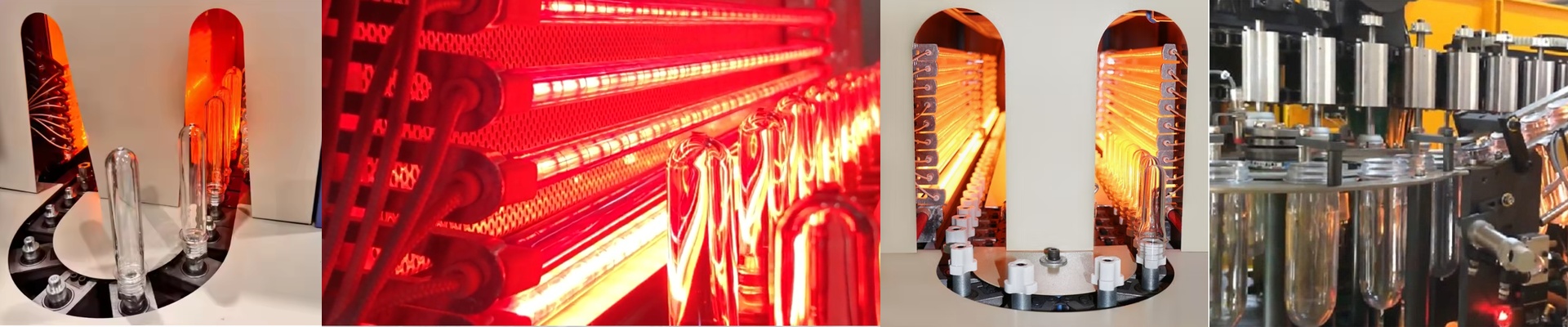
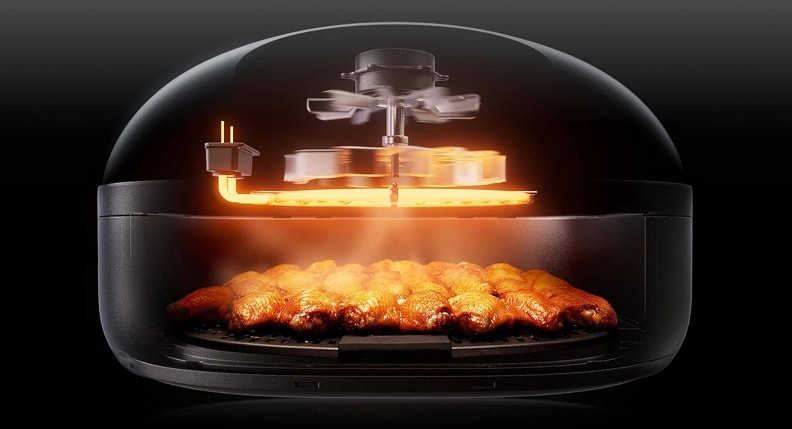
If you’ve ever dealt with thick cuts of meat in a production line, you know the struggle. You crank up the heat to get the center cooked, but by the time the core is safe, the outside looks like a charcoal briquette. It’s frustrating. And it wastes product. The trick isn’t just adding more power. It’s about the kind of heat you’re using. We use specific infrared (IR) replacement tubes that actually sink into the meat instead of just sitting on the surface. How it actually works Most standard heaters rely on convection—basically blowing hot air. That’s way too slow when you’ve got a high-volume line to run. Our tubes use short-to-medium wave radiation. Think of it as a shortcut. The heat skips past the surface moisture and hits the core much faster. But we don’t just blast it. We pair these tubes with PID controllers that tweak the power in real-time. It keeps the temperature in a tight window so you get a consistent cook from edge to edge. The gear under the hood We make these tubes out of high-purity quartz. Why? Because it lets the IR light through without blocking it. We also calibrate the filaments for specific voltage loads so they don’t just burn out after a few weeks of heavy use. Plus, we added reinforced end-caps. Industrial ovens expand and contract as they heat up and cool down, and those caps keep the tubes from snapping under the pressure. The best part? You can just drop these right into your existing racks. No need to rebuild your whole oven. A few things to watch out for Here’s the honest truth: more heat density means you can push more product through, but it puts a load on your electrics. Before you go for a high-wattage setup, double-check your wiring and contactors. If they aren’t rated for the peak current, you’re asking for trouble. Also, keep an eye on your ventilation. If the housing gets too choked up, the heat soaks back into the system. That drifts your sensors and ruins your precision. Pro tip: calibrate your sensors to the actual surface of the meat, not the air around it. That’s the only way to be sure the center is actually done.