When the rush hits, your deck oven can’t afford uneven heat. Cold spots on the stone hearth drag out bake times, and top heat that lags behind robs pizza of the lift and blister you’re after. The second the thermostat calls, the heating element has to answer—fast, and without surprises.
What matters under the hood
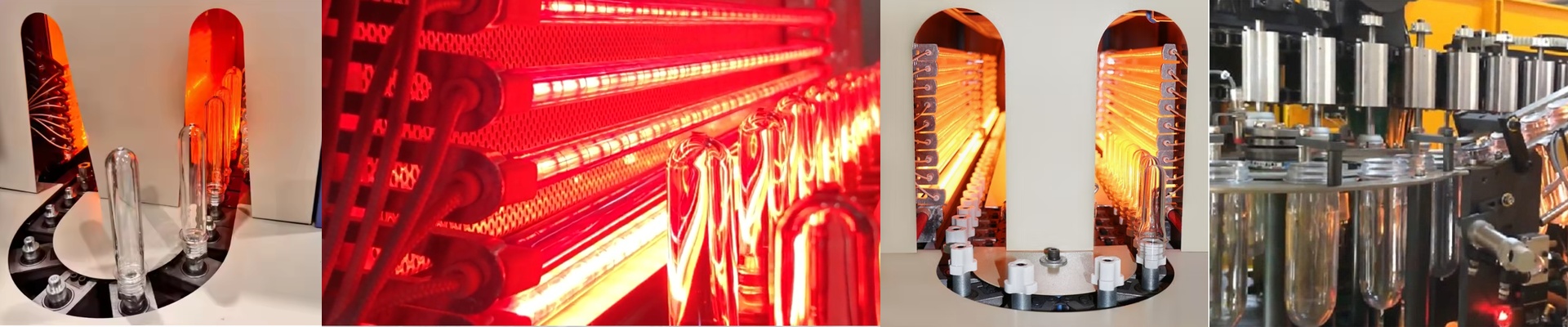
The linear frosted quartz heating bulb is short-wave infrared, built for quick response and steady output. The frosted quartz envelope spreads the energy out, so you get more even coverage across the baking chamber instead of a single hot spot. In practice, that means the stone or deck recovers faster after the door keeps opening, and your front-to-back temperature profile stays tight. Typical setups run 240–480 V, with power matched to the oven size so the element works with the thermostat, not against it. The linear shape sits clean in the reflector, and the standard mounting and terminals make replacement a straightforward job.
Why this shines in a busy deck oven
In a busy pizza line or bakery deck oven, speed is earned in recovery. This bulb comes up to temp quickly, so the oven snaps back to setpoint after a flurry of pies or trays. That keeps bake windows short and crust structure consistent. You get more predictable caramelization, fewer underdone centers, and less guesswork when you’re running a full sheet. Energy use per bake cycle drops because the element heats on demand and holds temperature with fewer swings. The diffused output also cuts down the harsh peaks that can scorch toppings.
The field notes
Installation is simple, but the environment is rough. Make sure the bulb sits square in the reflector and the terminals are tight—vibration from doors and traffic can loosen connections. Match voltage and wattage to the oven’s rating, and confirm clearance to the stone or deck so radiant heat isn’t blocked. Expect strong output—keep shielding and safety interlocks in place. Plan replacement around your service window; the bulb is tough, but it still wears like any heating element.