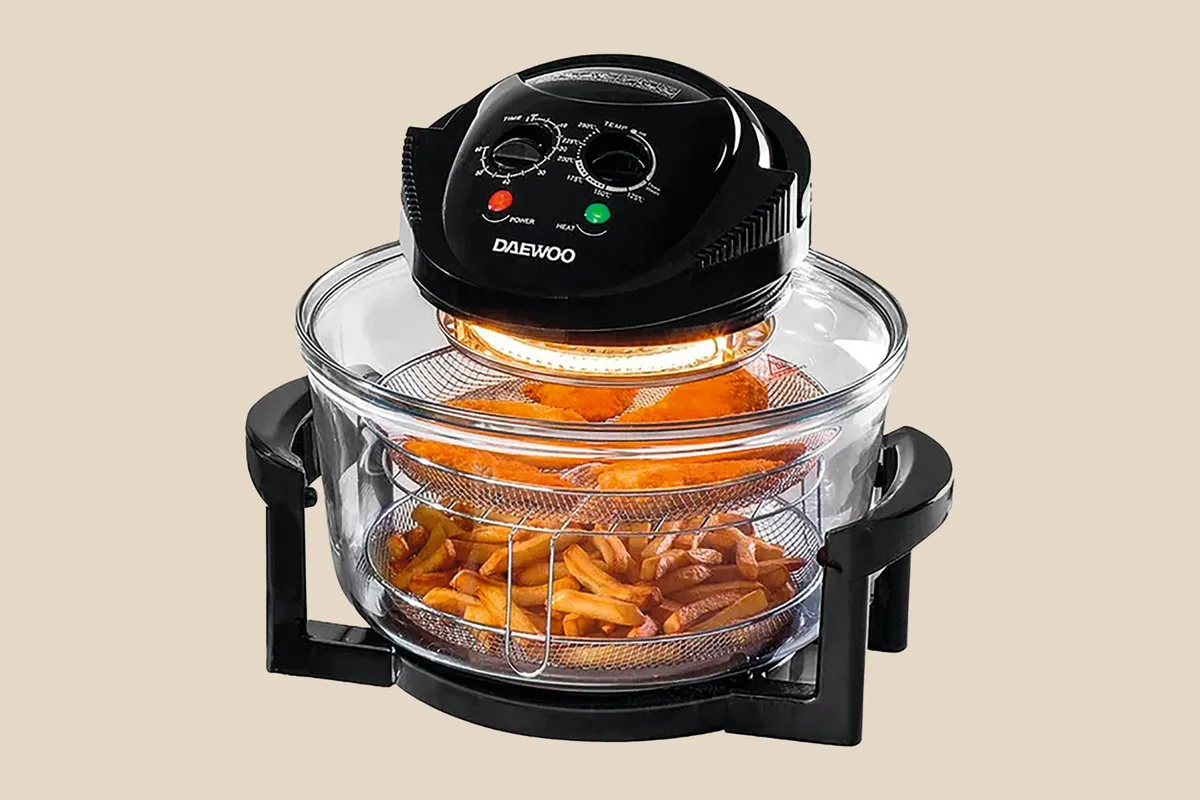
Stop Waiting for Your Steam Oven to Heat Up
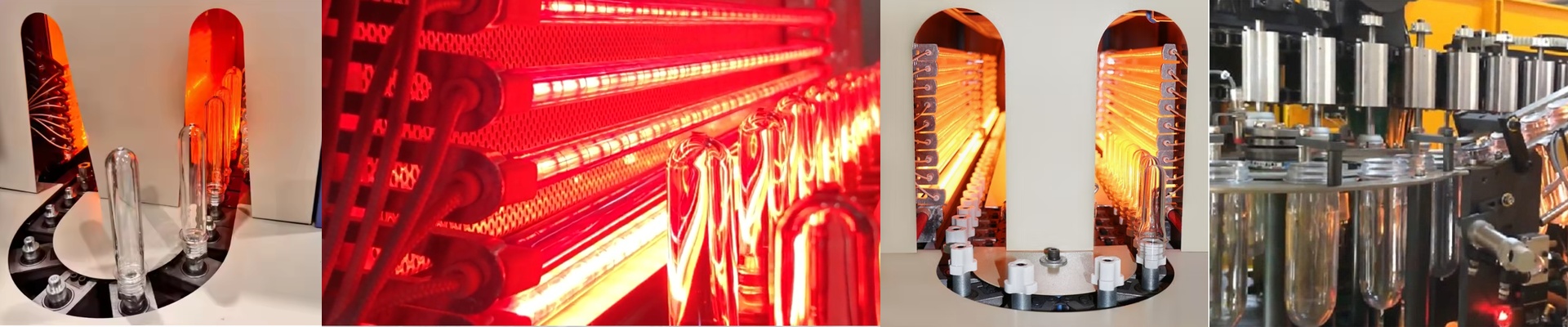
Most steam ovens are slow. You turn them on, and then you wait. And wait. That’s because they use old-school heating elements that take forever to get going. We decided to scrap that approach. Instead, we use short-wave halogen quartz lamps. These things are fast. Like, 0 to 300°C in a few seconds fast. It’s not just about raw power; it’s about how the heat actually moves.
Why it works (without the boring textbook stuff)
Usually, an oven heats the air, and then the air heats your food. It’s a middle-man system, and it’s sluggish. Our halogen tubes do things differently. They shoot out short-wave infrared radiation. This energy ignores the air and hits the food surface directly. By packing a lot of wattage into a tiny space, we’ve managed to get a heat spike that you’d usually only find in heavy-duty industrial gear. It’s almost instant.
The nitty-gritty on the build
To make this work, we use high-purity quartz glass. If we didn’t, the glass would just shatter from the thermal shock of jumping from cold to scorching in a heartbeat. We also rely on the “halogen cycle.” Basically, it stops the tungsten filament from evaporating, which means the lamps don’t burn out even if you’re flipping them on and off all day. Installing them is the easy part. We use standard R7s snap-in connectors. You don’t have to tear apart your chassis or rewire everything. You just plug them in, tweak your PID controller, and you’re good to go.
A few things to watch out for
Now, this kind of heat density isn’t free. Because these lamps cram so much energy into such a thin tube, the housing around them takes a real beating. You’ve got to make sure your ventilation and shielding are up to the task. If your airflow is blocked, those internal reflectors will warp. One last tip: use a high-quality dimmer or an SCR controller. If you don’t manage the power properly, you’ll fry the filament and shorten the life of the lamp.