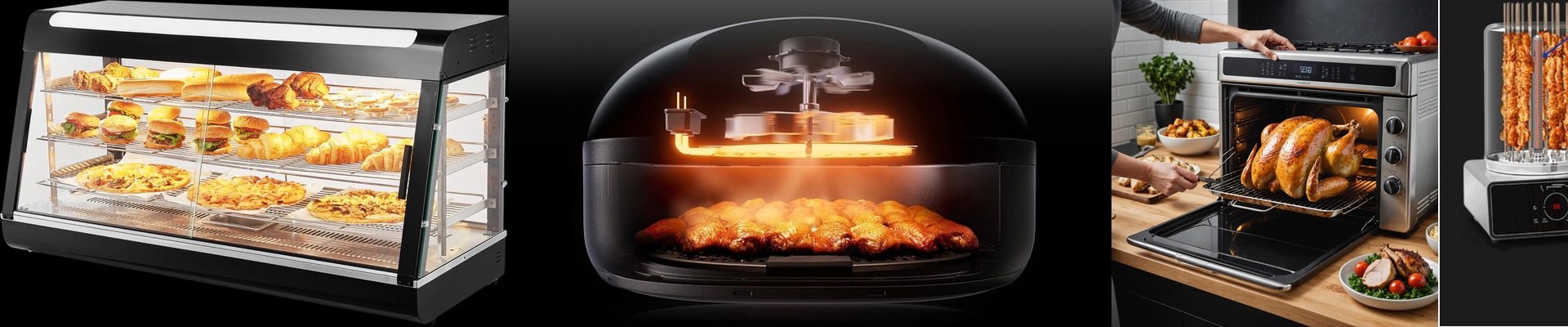
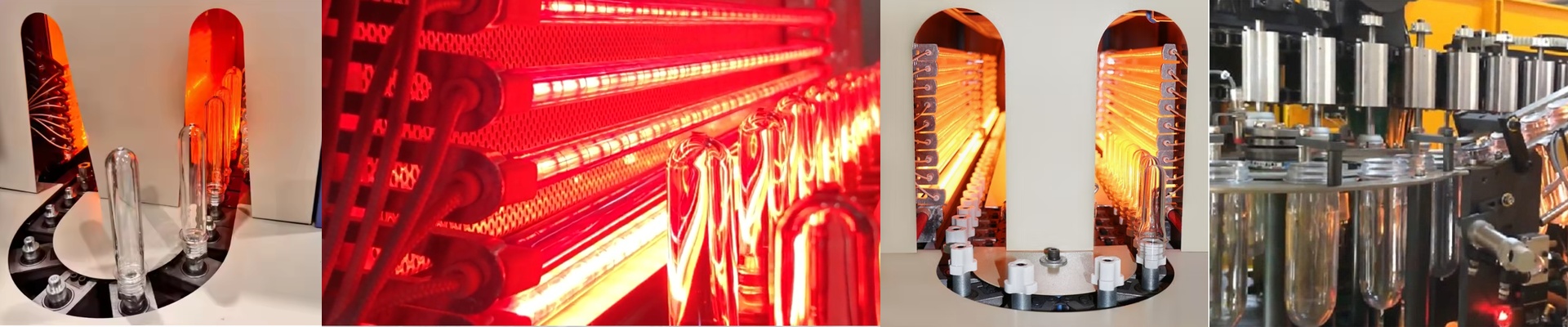
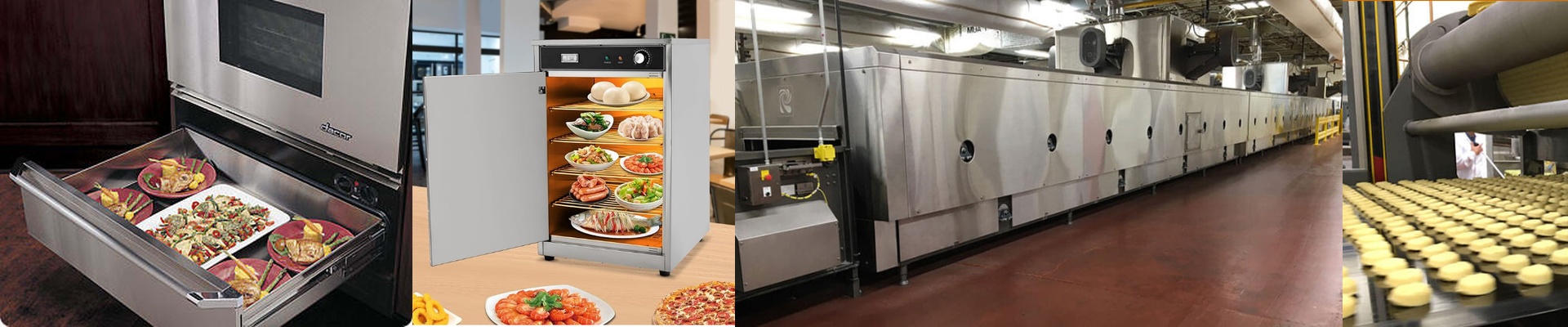
When the ticket stack builds and the line won’t wait, you can’t afford a deck oven or rotary oven that drags on heat recovery. You need heat that snaps to attention, holds steady, and spreads evenly across the baking chamber. That’s where the 800W frosted quartz heat lamp earns its keep.
What matters, technically
This lamp runs on short-wave infrared, packing 800W into a profile that drops into standard oven reflector housings. The frosted quartz envelope diffuses the output, smoothing out harsh hot spots and giving you a more uniform radiant field. Infrared heat is direct—energy hits the food surface without first heating the air—so the element responds within seconds. Hook it up to a simple thermostat or a PID controller, and you get tighter band control, typically within ±5°C, with repeatable setpoints bake after bake. In practice, that translates to predictable crust color, faster heat-up, and less idle time between loads.
Why it fits the workflow
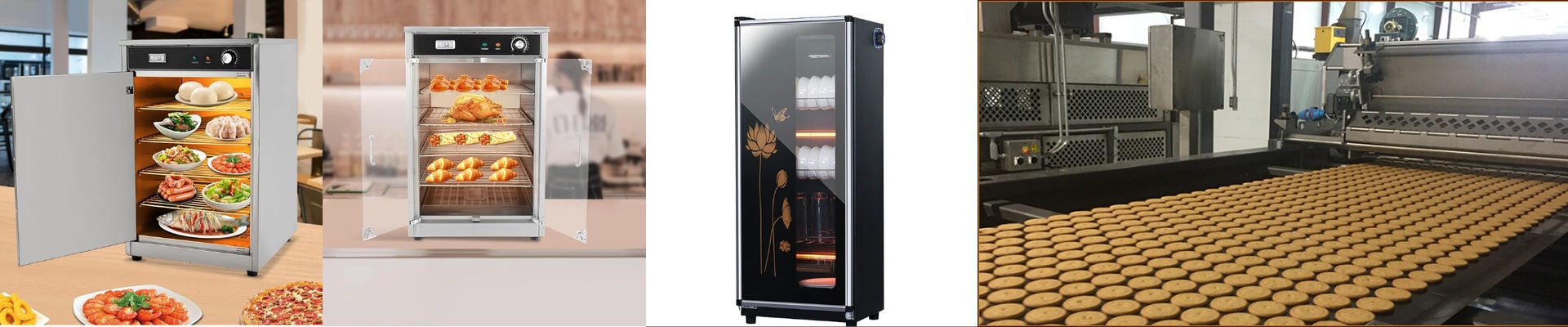
In a busy kitchen, speed and repeatability are the only metrics that matter. As a top-brown element in a deck oven, this lamp brings the top surface to target quickly, promoting even caramelization without drying out the crumb. In a rotary oven, it helps keep the stone hearth temperature consistent during high-volume runs, so every crust sets the same way. For holding and finishing, it warms finished food under gentle radiation, preserving texture and moisture instead of beating it dry with forced air. The energy stays focused—heat goes where it’s needed, when it’s needed.
The details that bite you if you ignore them
Mounting and clearance matter. Keep the lamp at the recommended distance from the product, and make sure the oven’s reflector assembly can handle the wattage and terminal temperature. Handle the quartz with clean, dry gloves before installation—skin oils create hot spots that can kill the element later. This lamp is optimized for radiant heating and finishing. For thick, cold dough loads, it works best paired with the oven’s primary conduction or convection heat. Plan for proper wiring and a dedicated control, and you’ll get consistent output shift after shift.