Getting Your Sidel Matrix Lamps Right (Without the Headache)
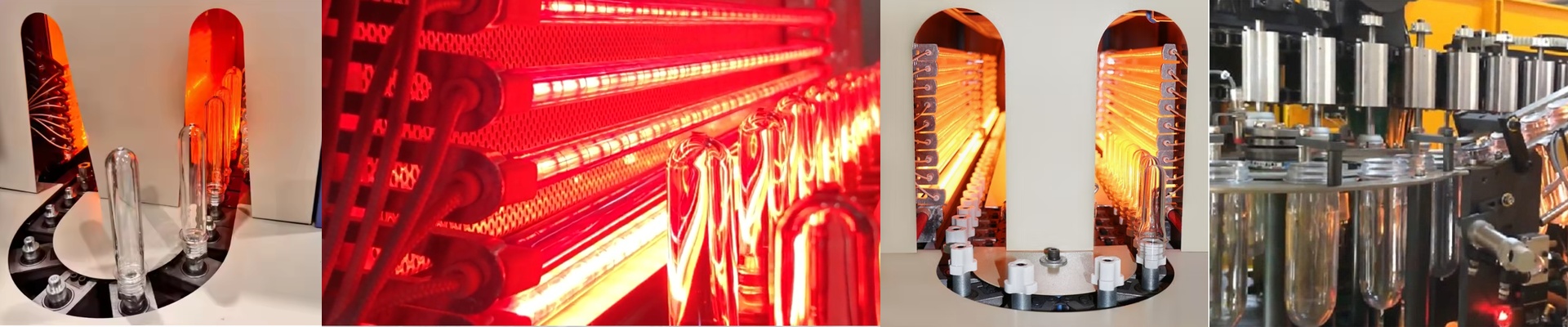
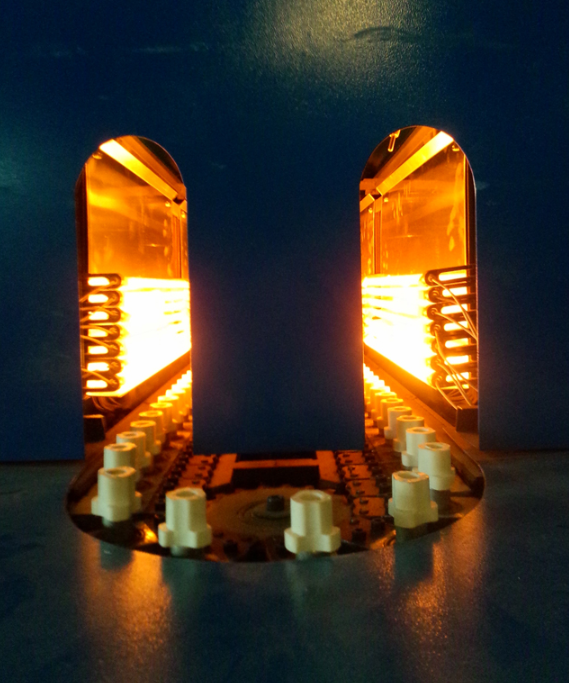
Here is the problem when you swap out lamps in a Sidel Matrix oven: the temperature curve loves to shift. If the wattage or the light spectrum is even a little bit off, you’re in trouble. Your PET preforms either won’t get hot enough or they’ll scorch. Either way, you end up with bottles that have weird wall thickness, and that’s a nightmare to fix. Matching the heat, not just the numbers We don’t just look at the voltage and call it a day. That’s a rookie mistake. Instead, we build our lamps to mirror the exact electrical and thermal footprint of the OEM specs. We’re talking about power density per millimeter. If the original lamp hits a certain wattage over a specific length, we calibrate our filament to hit that exact same heat flux. Why? Because it means your temperature ramp-up stays exactly where it is. You won’t have to waste your entire afternoon fiddling with oven zone settings just to get a decent bottle. The guts of the lamp Inside, we use high-purity quartz and a halogen cycle. This keeps the filament from evaporating too fast, so the lamps actually last. But the real secret is in the coatings. We use specific layers that push the infrared emission right into the absorption band of the PET. Basically, the heat actually sinks into the plastic instead of just bouncing off the surface. And since the connectors are drop-in replacements, they just slide into your existing sockets. No rewiring. No fuss. A quick word of caution High-density shortwave lamps are fast. Really fast. But there’s a catch. When you push these lamps to their limit, they put a lot of stress on your oven’s cooling fans. If your vents are clogged or a fan is dying, these lamps will run hotter than they should. That kills the filament. Keep your airflow clean. It’s the simplest way to make sure you get the performance you paid for. We built these for high-volume shops where the last thing you want to do is stop the line for another lamp change.