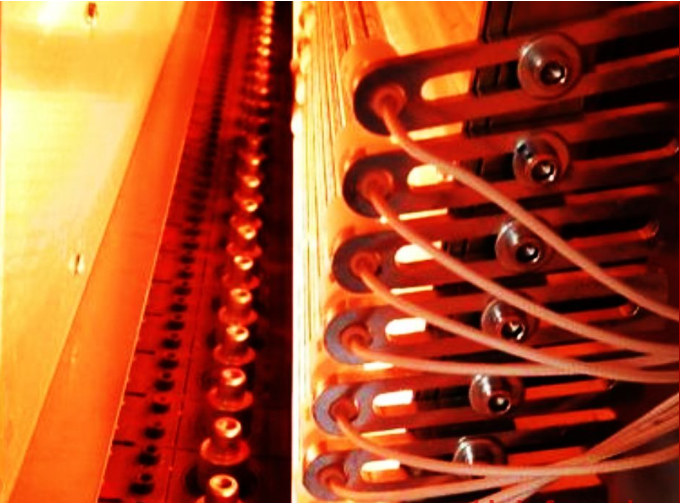
Can a few new lamps actually speed up your old blowing machine?
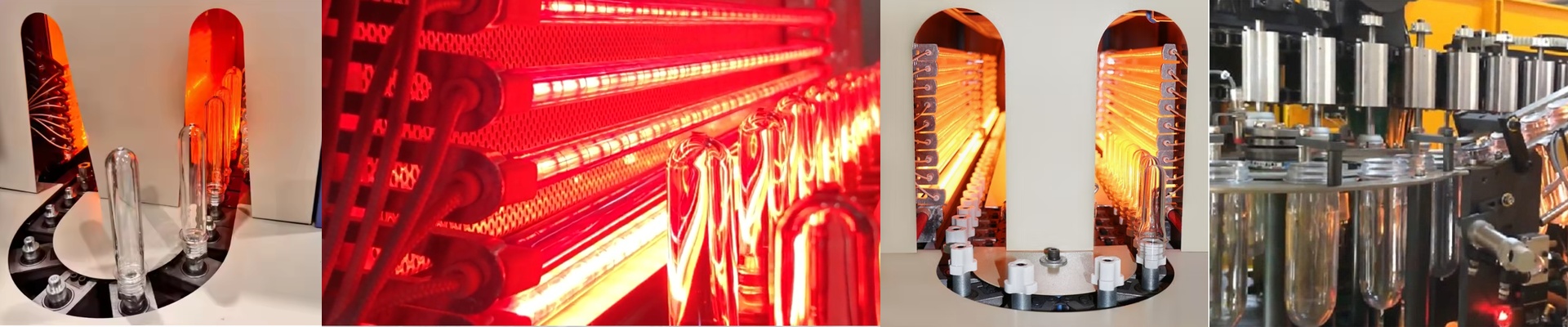
If you’re running a small or mid-sized shop, you probably have that one old blow molding machine that just can’t seem to keep up. It feels sluggish. You’re staring at the clock, wishing your cycle times were just a little bit faster so you could hit your targets without losing your mind. Here’s the thing: you don’t always need to drop a fortune on a brand-new machine. Most of the time, the real bottleneck is just the oven. If your heating elements are old and tired, they aren’t doing their job. Swapping them out for high-density PC preform softening lamps can shave time off the heating phase, which means more bottles coming off the line every hour. How it actually works We build these lamps to focus on short-wave infrared radiation. In plain English? They push energy into a narrow spectrum that PC and PET resins just soak up. When you switch to a higher-wattage lamp, you’re basically cranking up the heat flux. The preform hits its softening point much faster. It’s the difference between trying to warm up with a candle versus a heat lamp. But a quick heads-up: check your power supply first. If you jump to a higher wattage, your transformers and wiring need to be able to handle the extra current. You don’t want to fry a thin wire and end up with a burnout on your hands. The gear inside We use high-purity quartz glass because it doesn’t warp when things get scorching hot. We also stick to R7s or Sk15 connectors. Why? Because they’re “drop-in” replacements. You can just wire them in and go, without having to rip apart the machine’s chassis. For the PC preforms, we often add a special coating to the quartz. This stops the heat from just bouncing off the oven walls and forces it directly into the plastic. It’s much more efficient. The trade-offs (because nothing is magic) Faster heating is great, but it comes with a catch. Because the heat is so intense, the surface of the preform can get too hot before the core even softens. If you aren’t careful, you’ll end up with “burnt” spots or walls that are uneven. You’ll need to spend some time tweaking your conveyor speed and ventilation to get it just right. Plus, your cooling system is going to have to work a bit harder to deal with all that extra heat hanging around the oven housing. It takes a little patience to calibrate, but once you nail it, the output speaks for itself.