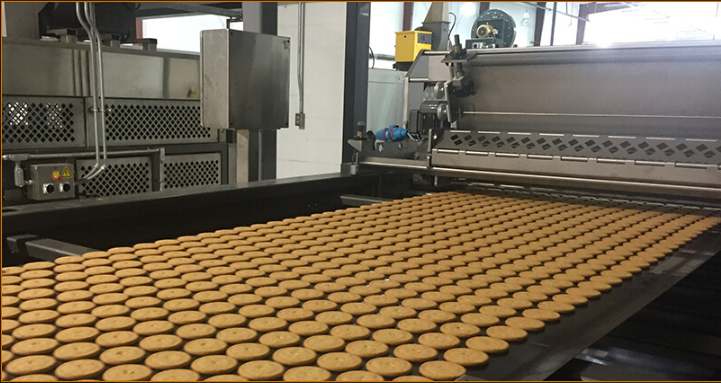
Why We’re Switching to Infrared for Bakery Ovens
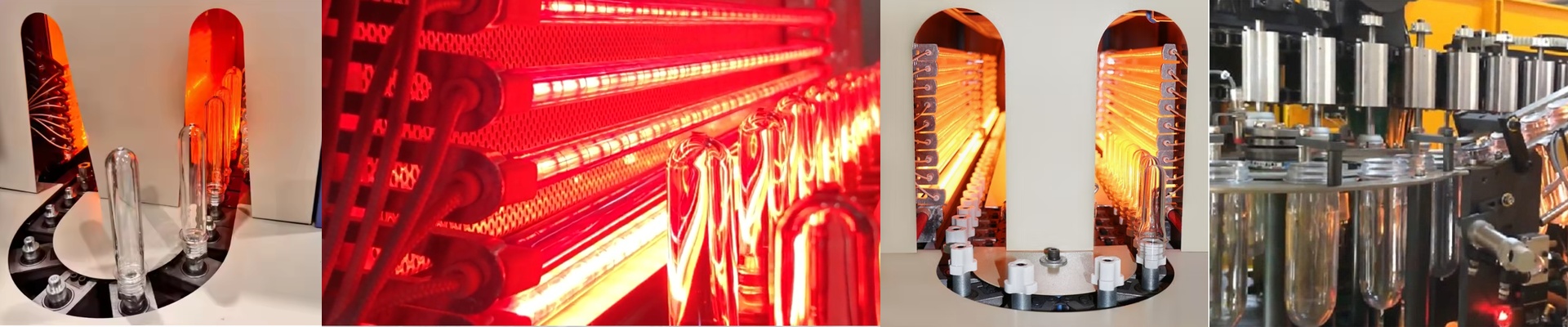
Most smart kitchens are ditching that old-school “blast of hot air” approach. Instead, we’re moving toward targeted radiant heat. In the high-end bakery world, we use shortwave infrared lamps. The goal? Hit the surface of the pastry exactly where you need it without drying out the middle.
Getting the Temperature Just Right
Standard heating elements are slow. They have this annoying lag where they keep pumping out heat even after you tell them to stop. That’s how you end up with a burnt crust and a raw center. Infrared is different. It’s instant. The second your controller drops the power, the heat stops. No “overshoot,” no ruined batches. We tweak the wattage and voltage to fit your specific oven size, so every single tray gets the same amount of heat from edge to edge.
The Nitty-Gritty: Glass and Wires
We use high-purity quartz glass for these lamps. Why? Because it doesn’t crack when you cycle the temperature up and down rapidly. When it comes to installation, we offer R7s or SK15 connectors. They basically slide right into most industrial sockets. You won’t have to tear apart your chassis or redesign your wiring just to get them working. Now, some of you might need a coated tube. This shifts the heat spectrum so it sinks deeper into the dough for a more consistent bake. Just a heads-up: those coated tubes are a bit more delicate. Be gentle when you’re installing them.
The Trade-off
Here’s the thing: high-wattage infrared lamps pack a massive punch in a tiny space. It’s great for getting orders out the door faster. But that heat has to go somewhere. If you cram these into a tight box without enough airflow, you’re going to fry your wiring. The ambient air around the sockets can get dangerously hot. To keep your electronics from melting, we always suggest adding a dedicated cooling fan or a heat sink. It protects your gear from that radiant backsplash and keeps everything running smooth.