Why Fast Response Actually Lowers Your Power Bill
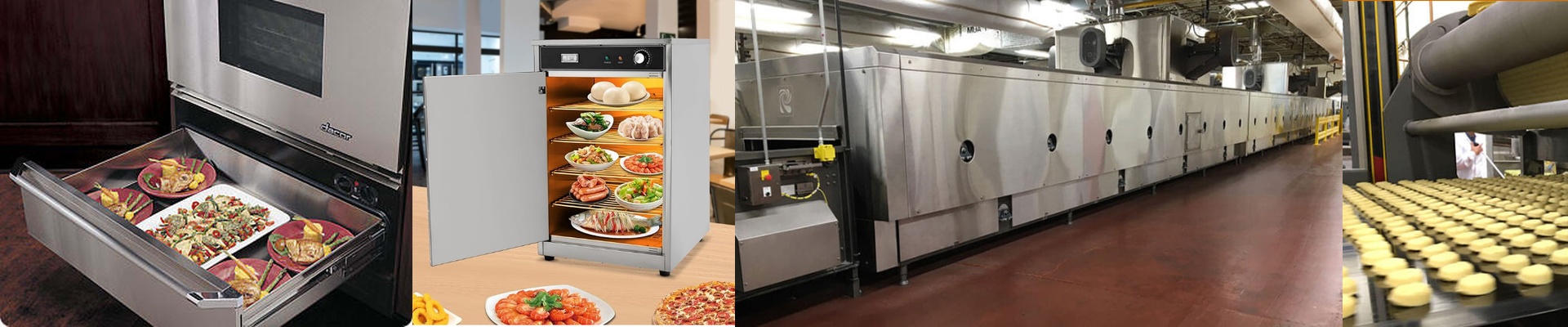
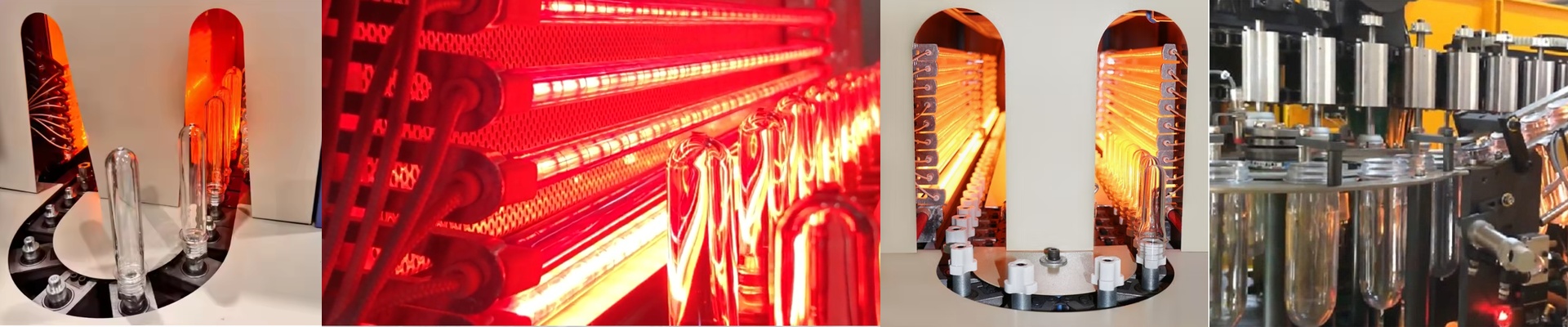
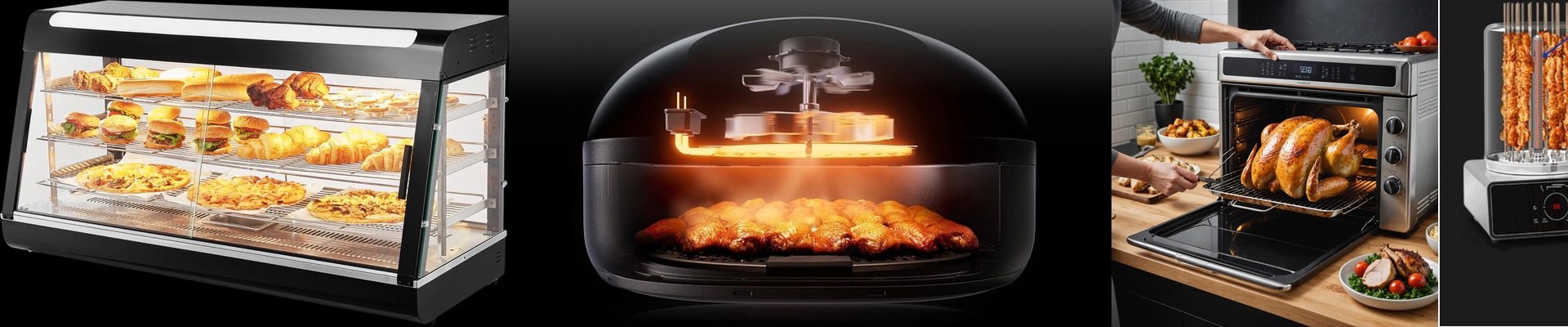
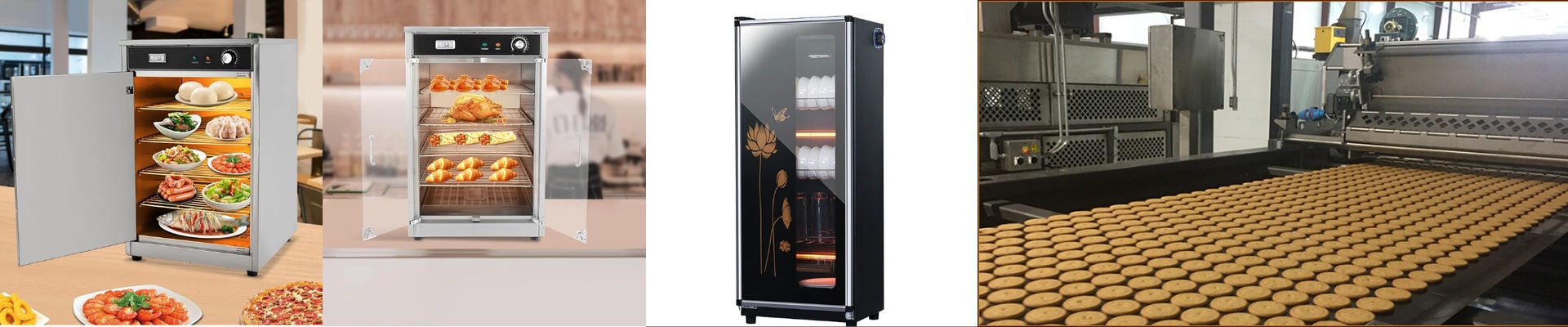
Most engineers get tunnel vision when it comes to energy savings. They obsess over thicker insulation or trying to drop the wattage. But if you’re running a high-heat pizza oven, the real secret isn’t about how much heat you keep in—it’s about how fast you can stop the heat. We build our elements to hit the target temperature in seconds. Not minutes. Seconds. Here’s the thing: traditional heating elements are bulky. They have a lot of “thermal mass,” which is just a fancy way of saying they stay hot long after you’ve flipped the switch off. This leads to temperature overshoot. You end up in this constant tug-of-war with your controller, cycling power on and off just to keep the oven from getting too hot. It’s a waste of electricity. Our quartz-based infrared elements work differently. They snap to full power almost instantly. The moment your PID controller hits the mark, the heat stops. Period. No overshoot, no fighting the temperature. You’re only using exactly what the dough needs and not a penny more. To get that kind of speed, we use high-density tungsten filaments tucked inside high-purity quartz. It keeps the footprint small but delivers a concentrated punch of short-wave radiation. And because these elements don’t need to “soak” the air around them to get the job done, the heat goes straight into the crust. It’s a much more direct way of cooking. Now, there is a catch. Speed comes with a bit of fragility. Quartz is brittle. If your oven vibrates or if a baking tray bangs into the elements, they’ll snap. You’ve got to make sure your mounting brackets are set up to isolate the tubes from the rest of the chassis. Give them some breathing room. One last tip: keep an eye on your voltage. Rapidly pulsing your power puts a lot of stress on your relays. If you’re switching these things every few seconds, do yourself a favor and use solid-state relays (SSRs). It’ll save you from the headache of burning out mechanical contacts.