
Making Bathroom Heat Lamps That Won’t Blind You
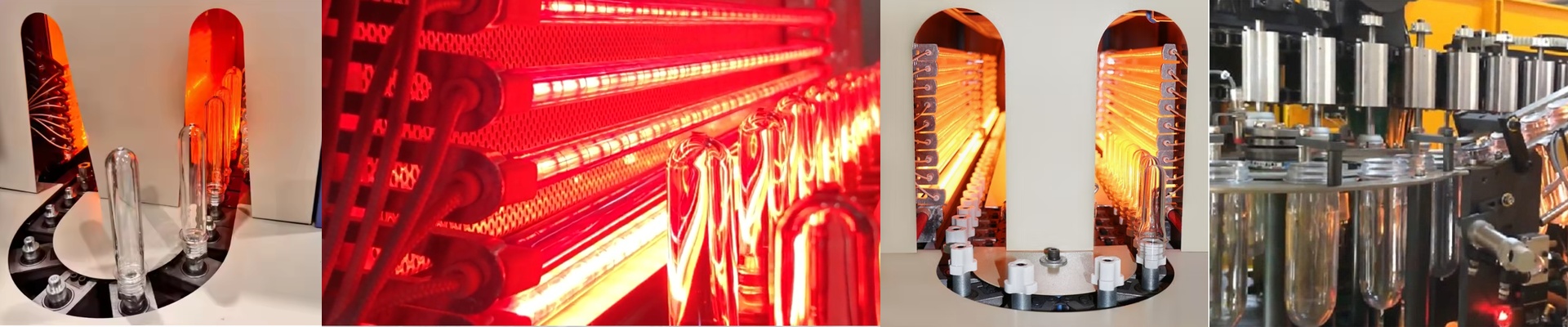
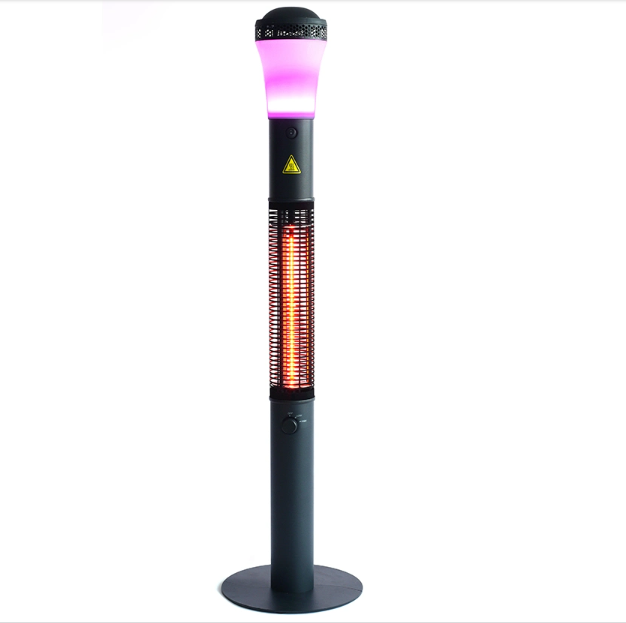
When we build infrared lamps for bathrooms, the biggest headache isn’t actually the heat. It’s the light. Most standard short-wave lamps have this aggressive, blinding glare. If you’ve ever stepped into a bathroom and felt like you were staring into the sun, you know exactly what I mean. It’s annoying for anyone, but for babies or elderly folks with sensitive eyes, it’s actually a real safety issue. So, how do we fix the glare? Here’s the thing: we have to change how the light behaves. We use special quartz coatings and halogen gas fills to kill off those harsh blue-light peaks. By tweaking the filament temperature and the materials we use for the bulb, we push the energy toward the long-wave infrared band. The result? You get that deep, cozy warmth on your skin, but the light stays soft and diffuse. No more squinting. The trade-off with reflectors It’s not just about the bulb, though. The reflector behind it does a lot of the heavy lifting. A mirror-finish reflector is efficient, sure, but it creates a “hot spot” of light that strains your eyes. We avoid that by using textured or matte finishes to scatter the light around. You lose a tiny bit of heat efficiency, but it’s a trade we’re happy to make to get those residential safety certifications. It feels more natural. Keeping it stable The wiring side of things is just as picky. We have to control the wattage perfectly. If the lamp runs too hot, the spectrum shifts right back into that blinding visible range, and all our hard work goes out the window. That’s why we use precise thermal cut-offs to keep the light steady. And a pro tip: make sure the housing has plenty of breathing room. If it gets too choked up, the heat soak will eat away at the coating. Once that happens, the color shifts and you lose that soft, gentle glow.