
Why your bathroom heater is probably failing you (and how to fix it)
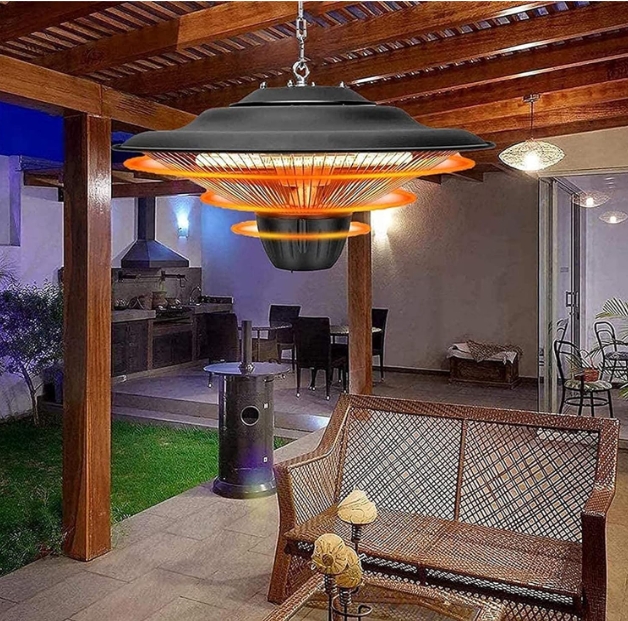
Let’s be honest: those old-school “light-warmers” just aren’t cutting it anymore, especially if you’re designing a high-end bathroom. We’re seeing a massive shift toward high-ceiling infrared heaters with serious waterproof ratings. There’s a reason for it. When you’re dealing with a wet zone, the physics of how heat and moisture interact makes infrared the only real choice. The battle against steam Here’s the thing about standard heaters: they hate steam. Between the humidity and the occasional direct splash, they tend to short circuit or just burn out. It’s frustrating. That’s why we use sealed quartz envelopes and IP-rated housings. We build them specifically to keep moisture away from the electrical terminals. If you cheap out on the waterproof grade, the humidity will basically eat your insulation for breakfast within a few months. Not a great look. Actually feeling the heat Most heaters try to warm up the air. But if you’ve got high ceilings, that heat just floats upward, leaving you shivering in the shower. Infrared is different. It uses short-wave radiation that travels in a straight line. Instead of heating the room, it hits you directly. It doesn’t matter if your ceiling is 3 meters high—you feel the warmth immediately. It’s that cozy, instant sensation that makes a huge difference on a cold morning. The “gotchas” of installation Now, there are a few things to watch out for. You can’t just plug these into any old outlet; you’ll need a dedicated circuit. These units pull a lot of power to get that rapid heat-up, so make sure your wiring gauge can handle the load. You don’t want voltage drops messing with your performance. And then there’s the “spot-heating” effect. Because infrared is so focused, it’s like a heat lamp. If you put it in the wrong spot, you’ll have one area that’s scorching and another that’s freezing. The trick is to map out the radiation pattern while you’re still in the layout phase. We usually suggest overlapping the beams. That way, you get a nice, uniform blanket of warmth across the whole shower area instead of just one hot spot on your shoulder.