


Why We Put Bathroom Infrared Heaters Through the Wringer
Let’s be honest: a bathroom is no place for a delicate heater. It’s a steam box—high humidity, wild temperature swings, and condensation that never quits. Standard indoor heaters fold fast in there. So we build wall-mounted infrared lamps with one simple mindset: design for the bathroom first, then prove it.
Power, Voltage, and Size—Kept Simple
These units run on 220V–240V or 400V, with power up to 2500W, all packed into a compact footprint. The idea is straightforward: more wattage in a small space means high heat density, so you warm the spot you want—fast—without turning the whole room into an oven. Picking the right voltage comes down to your building’s power. The 400V option lowers the current for the same power, which can let you use thinner wiring and reduce voltage drop over longer runs. But more power in a tight space means you need smart airflow and solid heat sinking. That keeps nearby parts—and the wall itself—at safe temperatures.
The Materials That Make It Hold Up
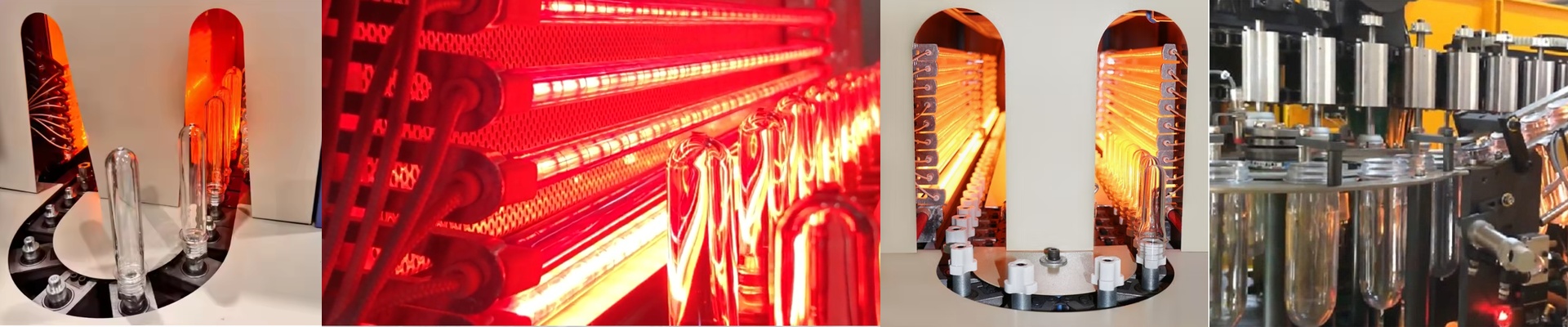
We lean on halogen-infrared technology inside a quartz envelope. Why? It delivers strong radiant heat and jumps to temperature quickly. The halogen cycle helps keep the filament stable, and quartz won’t soften under high heat. The tube coating is chosen to manage UV and resist etching from constant moisture exposure. Then there’s the installation side. We use R7s or SK15 connectors because they lock in tight and hold contact even when things vibrate and expand and contract with heat. In a humid bathroom, bad contacts oxidize fast—these keep the connection solid and serviceable.
What It Feels Like in a Damp, Steamy Bathroom
When you mount a heater on a bathroom wall, it has to do three things without drama: start instantly, aim warmth where you need it, and keep working through steam. So we run a damp-heat aging test that mimics months of exposure in high-humidity chambers, cycling heat and condensation to force weak points to show themselves early. It checks the sealing, the terminals, and the coating long before the product gets to your site. For you, that translates into fewer surprises, maintenance you can plan around, and a heater that can drop in as a direct replacement without reworking the wall.
Our Aging Test Isn’t a Box to Tick—It’s the Standard
Bathrooms aren’t an optional “harsh environment.” They are the actual job site. That’s why every bathroom infrared lamp goes through controlled damp-heat aging. The test data tells us if it can survive the steam, the thermal shock, and the corrosive air. If it passes, it earns the right to live in a real bathroom. If it doesn’t, we redesign it. No shortcuts.