Stop Letting the Cold Kill Your Outdoor Profits
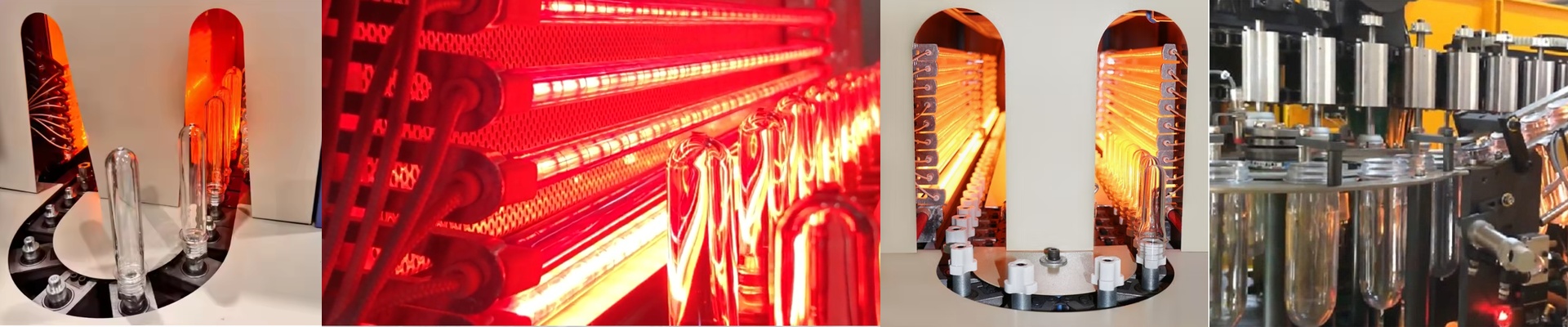
It’s a frustrating cycle. You’ve got a great outdoor space, but the second the temperature drops, those tables go empty. Most people try to fight the cold with forced-air heaters, but let’s be honest—trying to heat the outdoors is like trying to fill a sieve with water. The wind just carries the warmth away. That’s where shortwave infrared comes in. Instead of trying to warm up the air, these lamps beam heat directly onto your guests. It feels like sitting in a patch of sunlight on a crisp autumn day. Even if it’s freezing or windy outside, your customers feel that warmth the moment they sit down. Here is why that actually matters for your bottom line. When people are cozy, they linger. They stay for that second glass of wine or a dessert they weren’t planning on ordering. You’re basically turning “dead” square footage back into money-making space. No more losing a Friday night rush just because there’s a chill in the air. But you can’t just slap these things on a wall and hope for the best. The setup is key. If you hang the lamps too high, the heat vanishes before it reaches the table. Too low? You’ll bake your guests’ heads while their feet are freezing. I always suggest a staggered grid. It gets rid of those annoying cold spots where one person is sweating and the other is shivering. And a quick heads-up on the electrics: these units pull a lot of power. Make sure they’re on their own dedicated circuit. There is nothing worse than having your breakers trip right in the middle of a dinner rush. The reality check Look, these systems are pretty low-maintenance, but they aren’t magic. The quartz tubes can pop if something hits them or if your power spikes, so you’ll have to swap them out every now and then. Also, remember that infrared is directional. It’s a beam, not a cloud. If a guest scoots two feet to the left, they’re going to feel the cold immediately. You have to map out your heating zones to fit exactly where your chairs and tables sit. Get the placement right, and you’ve basically just extended your peak season by a few months.