Stop Fighting Your Heaters: A Better Way to Handle Maintenance
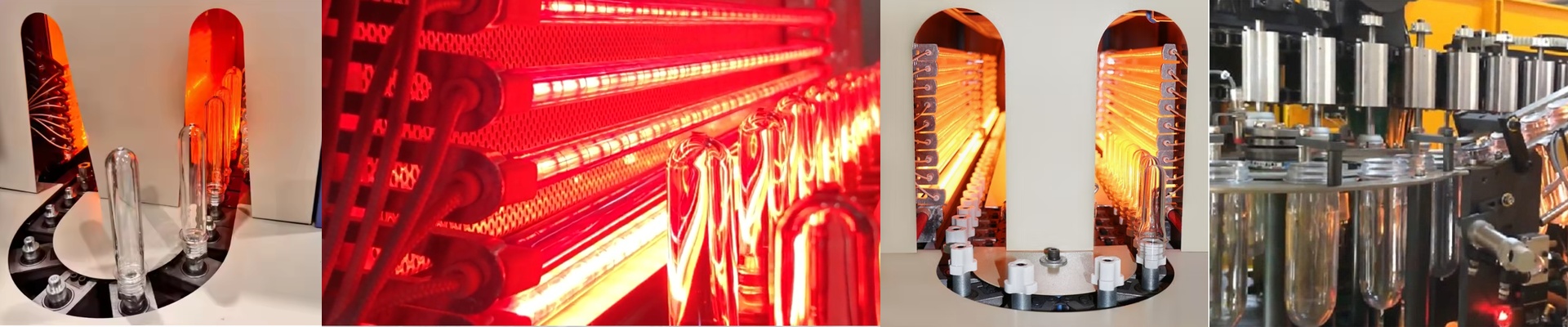
Most industrial heaters are the kind of thing you install and then completely forget about—right up until the moment they die. And that’s when the nightmare starts. It’s never just about the cost of the part. It’s the absolute headache of spending half a day tearing apart a housing just to reach one buried tube while the production line sits dead. We got tired of that. So, we built our IPX4 infrared modules to kill that bottleneck for good. The deal with IPX4 Now, an IPX4 rating basically means the unit can handle water splashes coming from any direction. We make that happen with tight gaskets and specific cable entries. It’s great for when you’re dealing with coolant mist or heavy wash-downs. But here’s the thing: sealing things tight adds a bit of a balancing act. If you crank down on those seals too hard during setup, you might warp the frame. Too loose? You lose your splash-proofing. It takes a steady hand, but the protection is worth it. Ditch the fixed blocks We decided to stop making hard-wired, integrated blocks. They’re a pain to fix. Instead, we treat the infrared lamp as something you can just swap out in the field. Instead of spending your afternoon rewiring an entire circuit, you just slide the broken module out and drop a fresh one in. We focused heavily on the mechanical side of things. Standard mounting points, quick-connect terminals—simple stuff. You don’t need to plan a massive electrical overhaul just to change a tube. It turns a four-hour teardown into a fifteen-minute job.That’s a huge difference in your day. Dealing with reality Let’s be honest: no heater lasts forever. Quartz tubes wear out. Filaments snap. It happens. Instead of pretending we can stop failure entirely, we decided to make managing it effortless. Just keep a few spare modules on the shelf. When one goes, pull it, replace it, and send the dead one off for refurbishing. Your line keeps moving. Your stress levels stay down. Everyone wins.