
Commercial property portfolios live or die by the numbers—energy spend, tenant comfort, and the scorecard investors actually look at. When HVAC costs climb and ESG targets get tighter, the question is practical: how do you keep spaces warm without adding noise and overhead?
What matters, technically
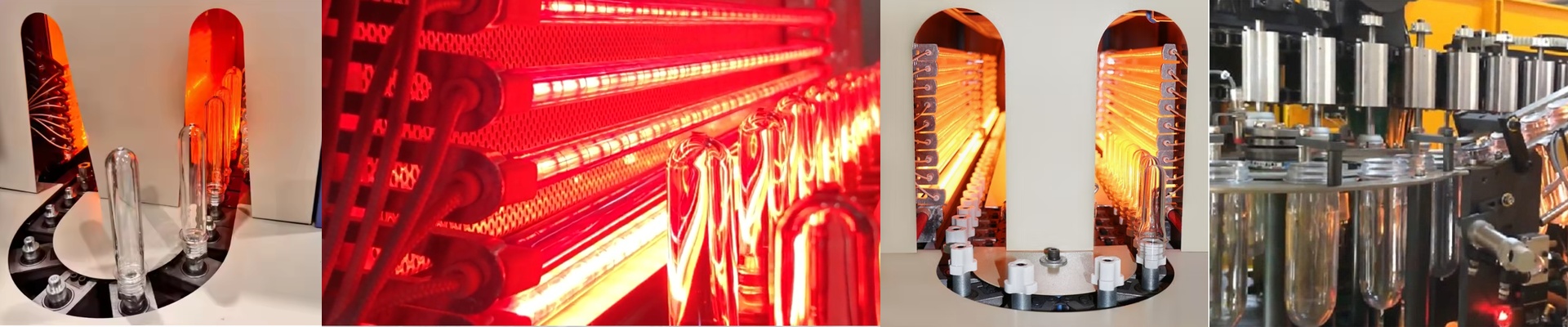
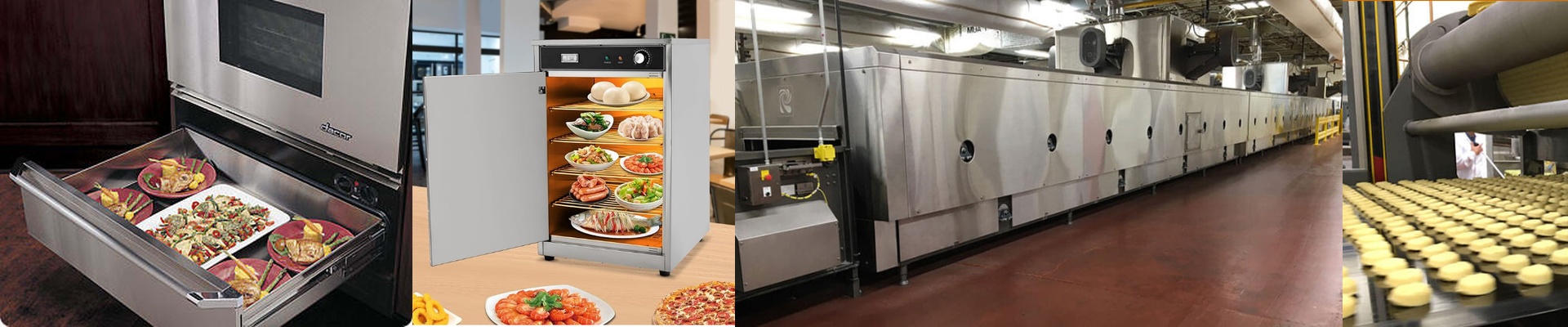
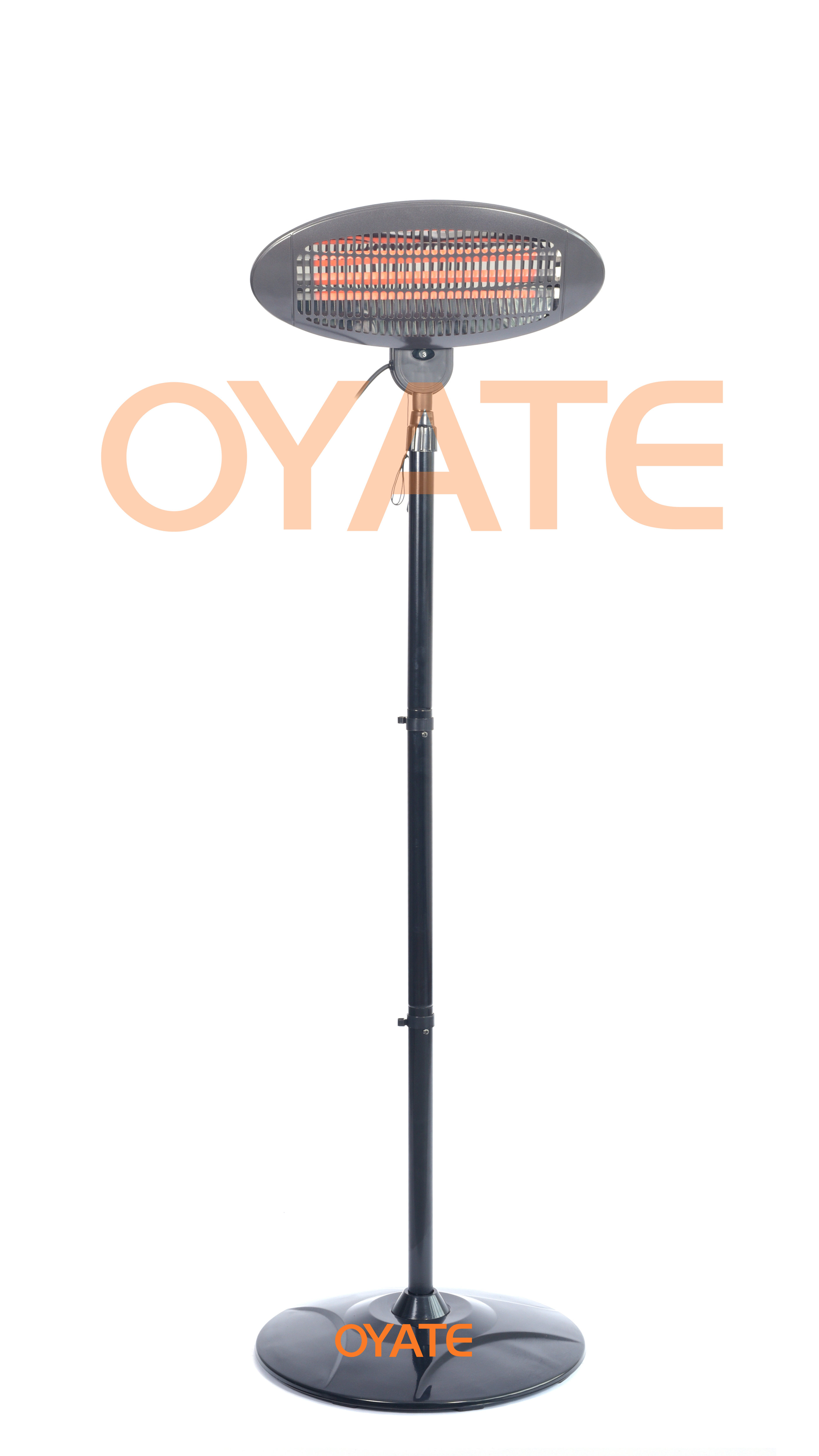
Infrared radiant warmth doesn’t waste time heating air and moving it around. We lean on efficient emitters that deliver immediate, directional heat, so occupied zones feel comfortable faster. The result is a low-noise heater profile—no loud fans, no air rushing—just quiet, even warmth. In practice, that means lower peak demand, fewer drafts, and less disruption in meeting rooms, lobbies, and common areas.
Why this fits commercial real estate
For commercial real estate, it comes down to performance that shows up on the balance sheet. Efficient infrared heating can cut total heating energy use by targeting heat where it’s needed, which helps reduce overall consumption and supports higher ESG ratings. Tenants feel the difference right away: steady comfort, fewer temperature swings, and a space that feels calm. That comfort tends to translate into stronger lease renewals and a building that holds its value in a sustainability-driven market.
What you need to know
Infrared heat works best when it has a clear line of sight to people and surfaces, so placement matters. Aim for unobstructed coverage and pair the unit with a thermostat for steady control. Most units plug into standard electrical outlets, but for larger layouts, I recommend a dedicated circuit to keep performance stable. One real-world trade-off: radiant heat warms objects and people directly, so the air can feel a bit cooler at the edges of the beam. That’s easy to manage by staging heaters or layering with supplemental air-side systems in transition areas.