


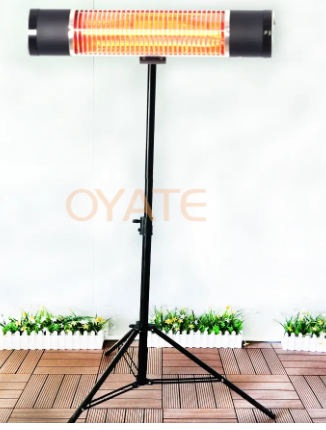
Step out onto the patio when dusk settles and the air goes sharp. Flip on an infrared electric heater, and warmth hits your skin almost instantly—like sunlight breaking through after a cloud bank. That immediate comfort isn’t about ambiance. It’s radiant heat doing its job, directly on you.
What actually matters, technically
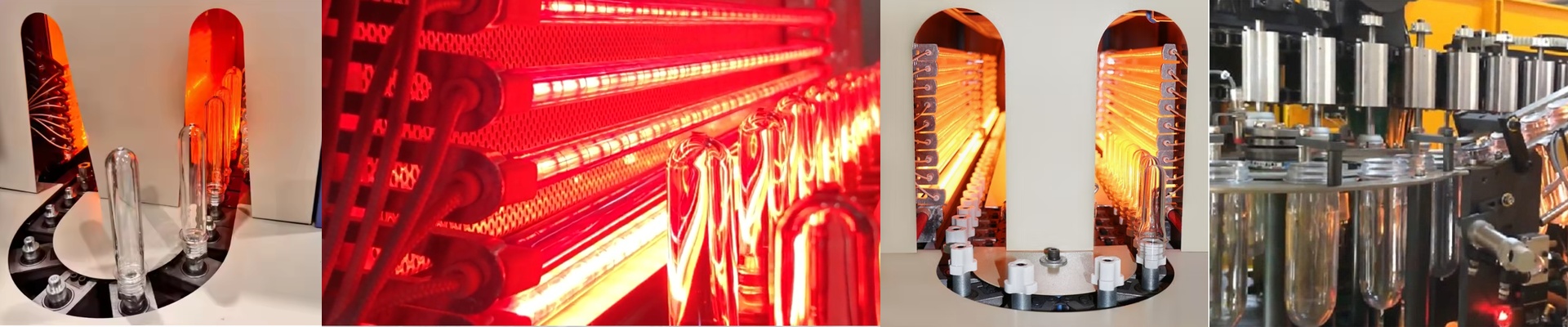
Infrared warmth is radiant heat, plain and simple—nothing blown around. Even the smaller electric heaters in this category use a carbon fiber or quartz emitter to put out short-wave infrared energy. That energy travels outward and warms people and surfaces directly, line-of-sight. Because it transfers heat that way, you feel the effect as soon as the element comes up to temperature—often within seconds. Many compact models run on a standard 120V outlet, pull between 600W and 1500W, and sit low-profile. They can live on a deck, under a pergola, or beside a reading chair without taking over the space.
Why this works in outdoor living
Outdoor living comes down to one frustration: waiting. A conventional fan heater has to warm the air in between. Infrared skips that step. You get fast, targeted warmth where you need it, and the surrounding air stays steadier—so conversation stays clear and you don’t feel like you’re fighting drafts. For your body, that steady radiant heat helps muscles relax, and evenings start to feel genuinely comfortable again, not just endurable.
What to keep in mind
Infrared heat works best when the heater has a clear shot at the people it’s meant to serve. It warms what it “sees,” so drafts can still steal comfort—placement matters. Compact electric heaters are built for dry or sheltered outdoor spots. If you’re dealing with damp exposure, look for an IP rating that matches the environment. Always plug into a grounded outlet, and keep the unit stable.Tip-over protection is the kind of detail that buys you peace of mind.