
Getting the Heat Right for PET Preforms
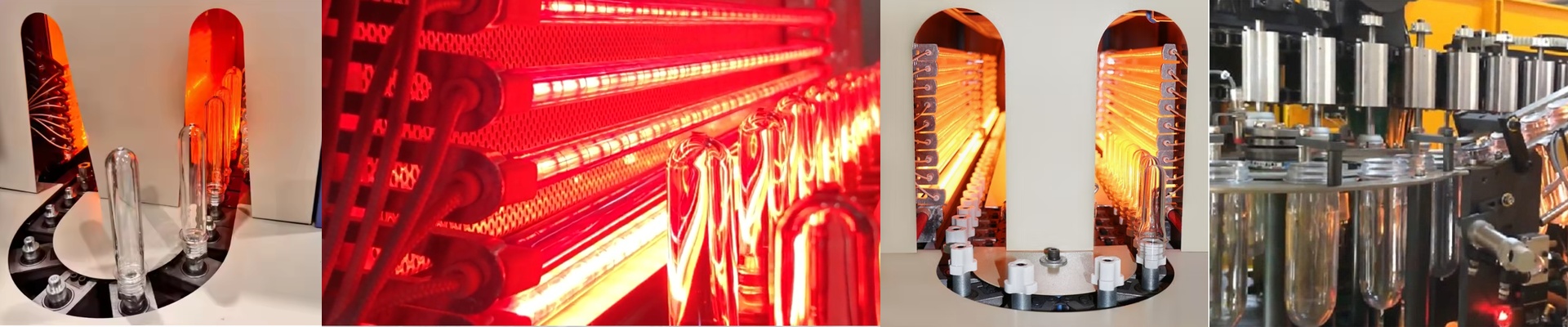
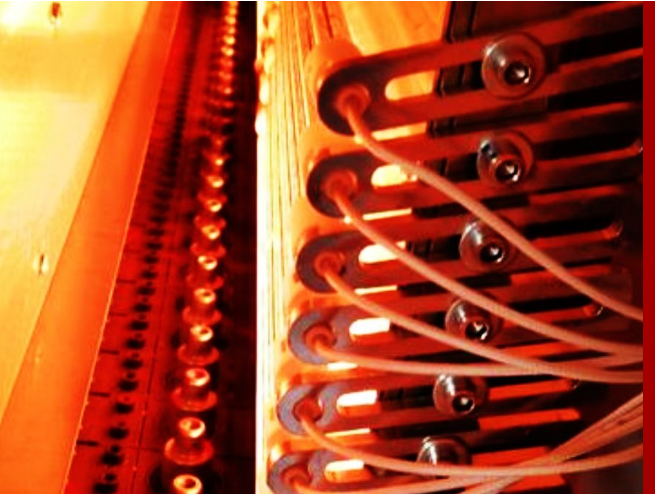
If you’re running Sidel Combi SF300 or Husky HyPET lines, you know the struggle. You aren’t just trying to make the plastic warm; you need that heat to soak all the way through to the core. When the heat only hits the surface, the preform doesn’t stretch right. You end up with uneven walls and a lot of wasted material. It’s a headache nobody needs. How we actually get the heat inside Here is the secret: it’s all about the spectral output. We focus on short-wave radiation because that’s what the PET polymer actually “likes” to absorb. We also tighten up the tolerances on the quartz envelope and tweak the halogen cycle. The goal is to push the energy into the plastic instead of letting it just bounce off the surface like a mirror. Plug, play, and push the limits We made these as drop-in replacements. No need to spend your weekend rewiring the oven. We use standard R7s or SK15 connectors, so they just fit. Now, these lamps are built for high-wattage density. They’re designed to keep up with the breakneck speed of a HyPET system. And yeah, they run hot. Really hot. That’s on purpose. To handle that kind of heat flux without shattering, we use doped quartz. Generic glass would crack the second you cranked the power up to full. The “Catch” (and how to handle it) There’s a trade-off here. When you dump this much energy into a preform, you create a lot of thermal load. This means your cooling blowers have to be spot-on. If your airflow is choked or dusty, the lamp temperature spikes and your filament burns out way faster than it should. One quick tip? Check your reflectors every single shift. If they’re dirty, the radiation isn’t hitting the plastic—it’s just soaking back into the lamp. Keep them clean, and your lamps will last a lot longer.