How to Pick Replacement Lamps for Your Industrial Griddle Without Breaking the Bank
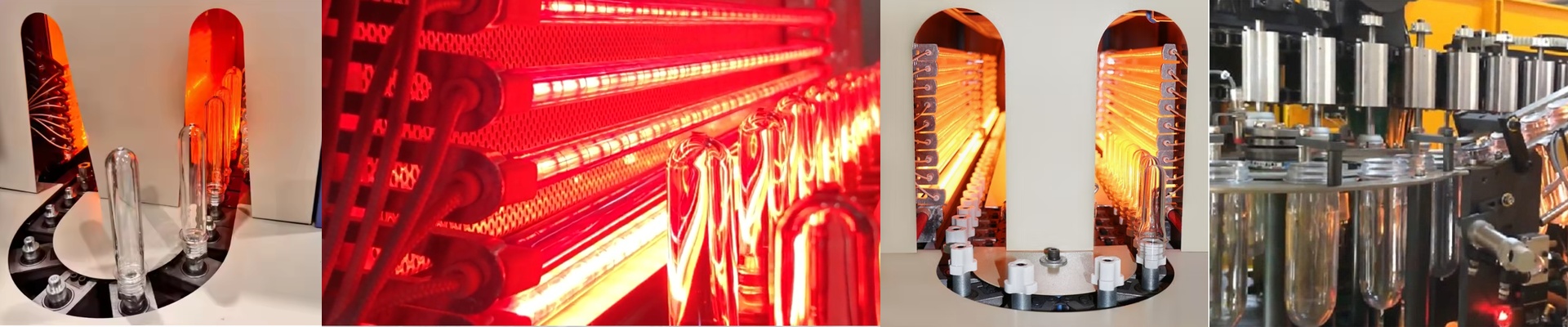
Let’s be honest: buying OEM lamps from the original manufacturer is a rip-off. Especially for imported griddles, the price markup is usually insane. You can definitely find high-performance alternatives that do the job just as well. But—and this is a big but—you have to get the electrical and thermal specs exactly right. If you don’t, you’re looking at fried circuit boards or food that just won’t cook through. Getting the Fit and Power Right Think of your lamp as more than just a lightbulb. It’s basically a precision resistor. If you throw a lower-voltage tube into a 230V slot, you’re going to overdrive the filament. Then? Pop. There goes your lamp. Always double-check your wattage and voltage before you hit “buy.” And don’t overlook the size. A tube that’s even 2mm too long won’t sit in the socket. On the flip side, if it’s too short, you’ll end up with cold spots on your griddle. Nobody wants a burger that’s cooked on one side and raw on the other. The Nitty-Gritty: Glass and Connectors Most of these things use hard quartz glass. It has to, or the thermal shock would shatter it instantly. We use halogen gas fills to crank up the filament temperature without ruining the glass, which is how you get that intense infrared heat. Then there are the ends. You’ll usually see R7s or SK15 connectors. These are meant to be a tight friction fit. Here’s the danger: if those pins are loose, you get arcing. That little electrical jump will chew up your socket in no time. Just take a second to verify the contact type before you order a whole box of them. Heat, Speed, and the Trade-offs High-wattage shortwave lamps are great because they’re instant. They hit the food immediately. But there’s a catch. That kind of power puts a lot of stress on your wiring. If you go with a “budget” high-density alternative, make sure your wiring gauge can actually handle the current. Plus, if the lamp runs hotter than the original, your reflectors might discolor faster. It’s really just a balancing act between saving a few bucks now and how often you’re okay with doing maintenance.