Getting the Perfect Crust: Why We Use 800W IR Heaters
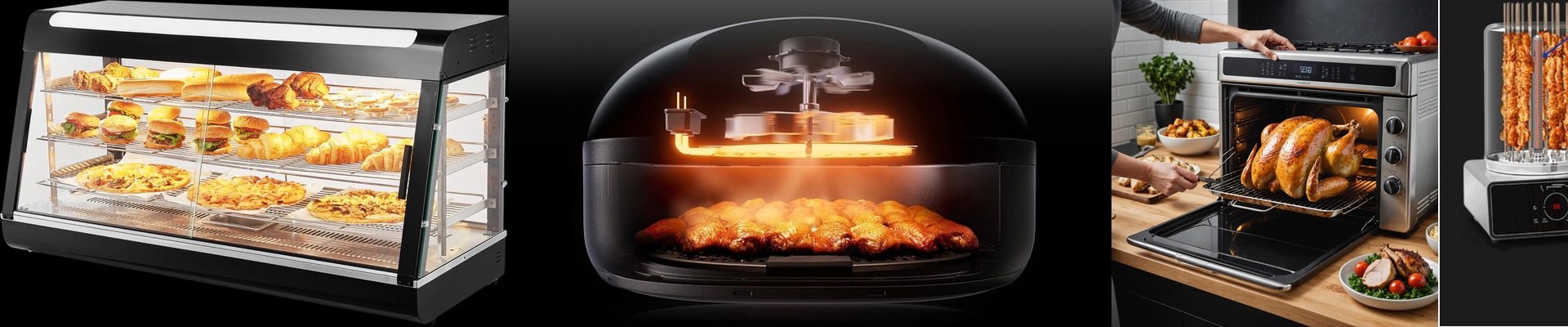
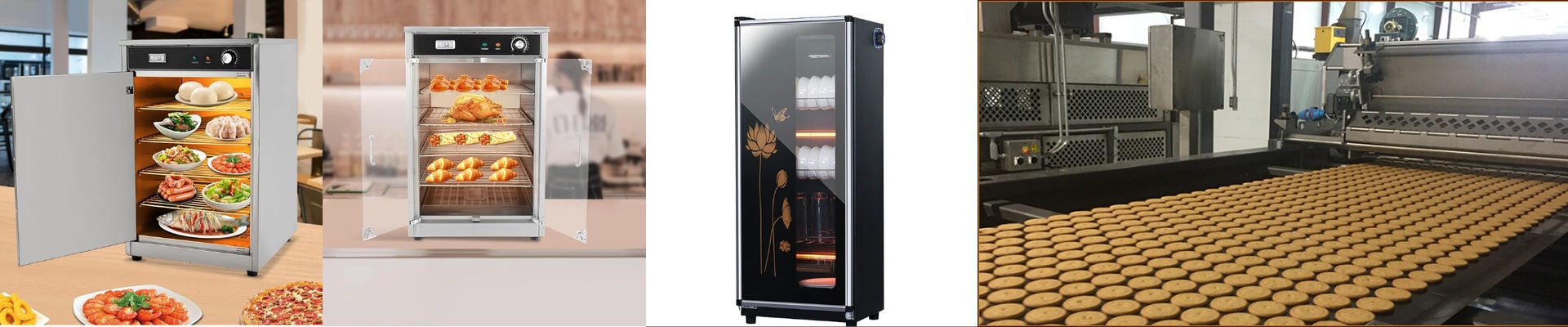
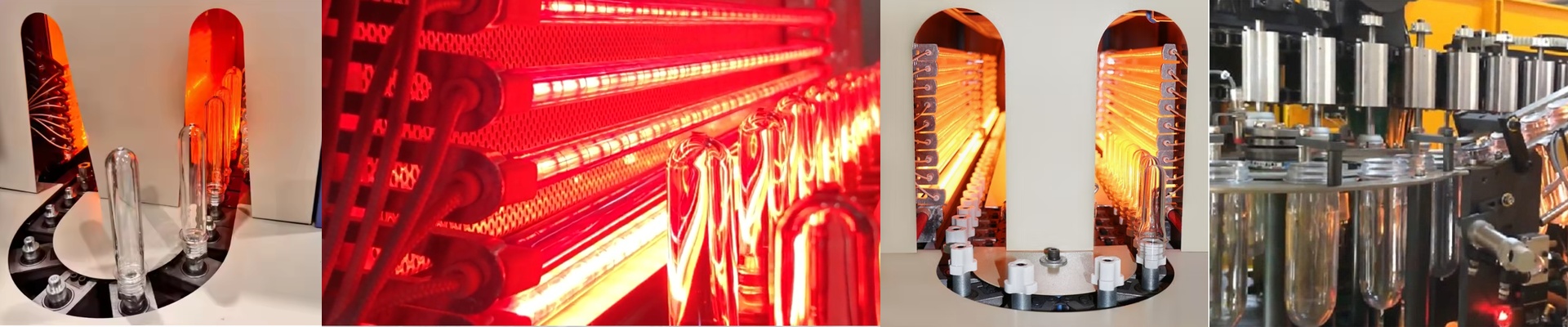
In the world of commercial pizza, a few degrees can be the difference between a masterpiece and a burnt mess. That’s why we rely on 800W shortwave infrared (IR) heaters. Unlike a convection oven that just blows hot air around, these lamps push energy directly into the dough. It’s fast. Really fast. And that changes everything when you’re pushing out dozens of pies an hour. The secret to that perfect brown You know that golden-brown color and smell? That’s the Maillard reaction, and it needs a specific kind of heat to happen quickly. We use these 800W lamps because they ramp up almost instantly. When you pair them with a PID controller, the magic really happens. Because the quartz tubes don’t hold onto heat for long, they stop heating the second you tell them to. You don’t get that annoying “overshoot” where the oven keeps getting hotter after it’s already hit the limit—which is usually how you end up with bread that feels like a rock. A word on the hardware We build these elements with high-purity quartz. It’s a great material because it can handle the shock of clicking on and off all day without cracking. But here’s the thing: quartz is fragile. It packs a ton of heat into a small space, but it doesn’t like being bumped. If your kitchen is a bit chaotic or the oven vibrates, just make sure you shield the tubes. A little protection goes a long way in keeping things running. Dialing in the bake If you want the right mouthfeel and color, you need your sensors and heaters talking to each other in real-time. We’ve found that the best way to do this is by zoning. By splitting the oven into top and bottom sections, you can control the “top-brown” and the “bottom-crisp” separately. Just be careful not to go overboard with the wattage in a tiny space. If you do, you’ll scorch your toppings before the center of the pizza is even warm. It’s all about balancing that power with your airflow to keep everything steady.