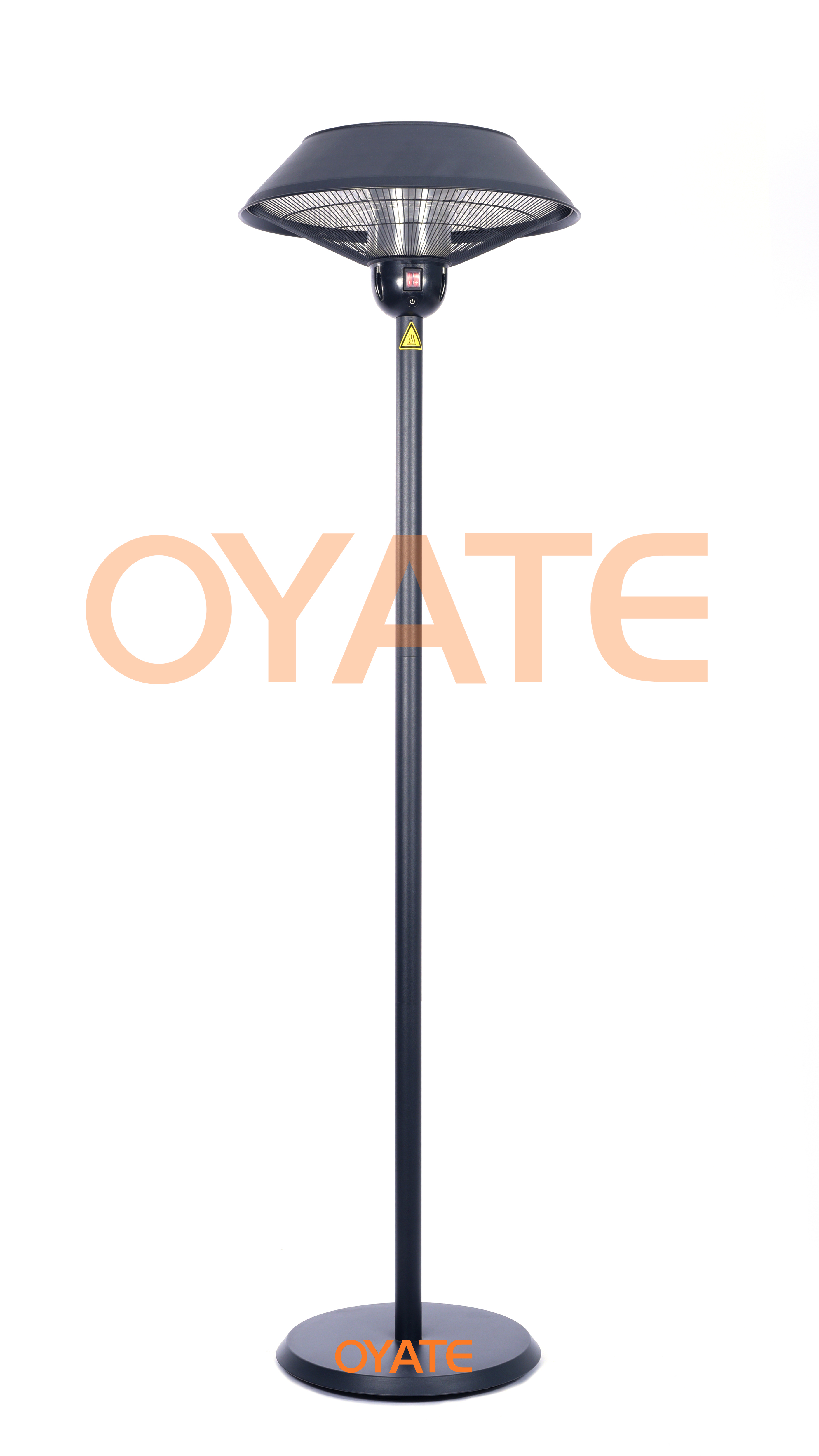
Stop Losing Money Every Time the Temperature Drops
The second it gets chilly outside, your patio becomes a ghost town. It’s frustrating. You’ve got the space, you’ve got the tables, but nobody wants to sit in a wind tunnel while eating their dinner. That’s where IP65 infrared heaters come in. Most people think of those old-school forced-air heaters that just blow hot air around. The problem? In an open-air setting, that heat just floats away. Infrared is different. It doesn’t try to heat the air; it heats the people. It feels like stepping into a patch of sunlight on a cold day. Immediate. Direct. Cozy.
Why “IP65” Actually Matters
You’ll see “IP65” on the spec sheet, and while it sounds like boring tech-speak, it’s actually the most important part. Basically, it means the unit is sealed tight. Dust can’t get in, and water—rain, sleet, or that annoying mist—can’t get in either. If you use a standard heater outdoors, moisture eventually hits the electrical terminals and the whole thing shorts out. Not a great look when you have a full house on a Friday night. We use sealed gaskets and housings that don’t rust, so these things just keep running, regardless of the weather.
Keeping the Tables Full
Here’s the thing: when guests are cold, they leave. They don’t order that second bottle of wine or a dessert because they’re too busy shivering. By putting a grid of these heaters overhead, you create a “warm zone.” Guests feel comfortable the moment they sit down, but because the heat is localized, you aren’t wasting money trying to warm up the entire street. You get more people staying longer, which means more revenue. Simple as that.
A Few Things to Watch Out For
I’ll be honest—you can’t just plug these into a regular extension cord and call it a day. These heaters pull a lot of power. You need a dedicated circuit with the right breakers, or you’ll be tripping the power right when your restaurant is at its busiest. Then there’s the height. This is where people usually mess up. If you hang them too low, your guests will feel like their heads are being baked. Too high, and the heat vanishes before it ever reaches the table. Stick to about 2.5 to 3 meters. It’s the sweet spot where everyone stays warm without feeling like they’re sitting under a heat lamp at a buffet.