Why Ruby IR Emitters are a Secret Weapon for Convection Heating
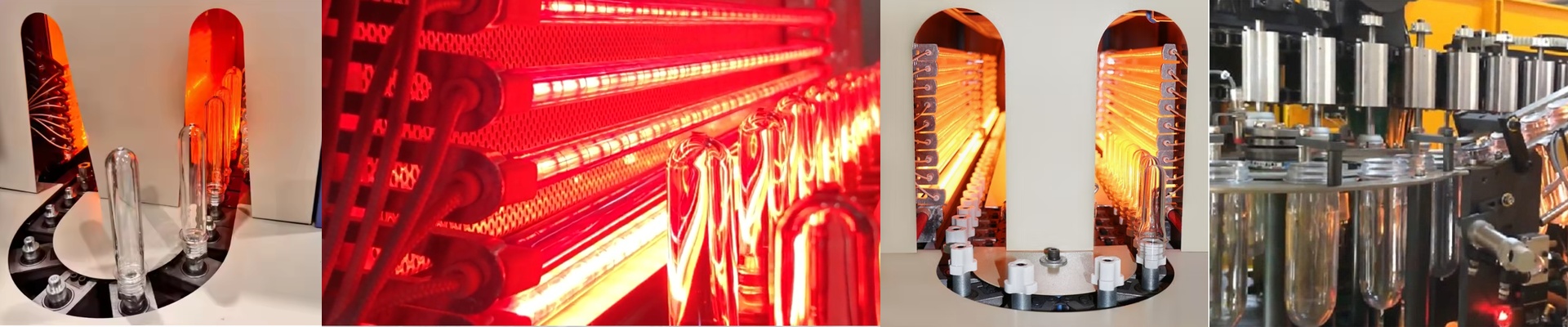
Let’s be honest: air is a pretty terrible conductor of heat. If you’re relying solely on a convection oven, you’re basically just blowing hot air around. It works, sure, but getting that perfect balance—crispy on the outside and tender in the middle—can be a struggle. That’s why we use Ruby IR emitters. They aren’t your run-of-the-mill heating elements. We use a ruby-doped quartz structure that actually changes how the heat is emitted.
Getting the heat where it matters
Most heating lamps use long-wave infrared. The problem? That heat just hits the surface of the food and stops. It’s like trying to warm a house by painting the outside walls red. Ruby emitters are different. They work in the short and medium-wave bands, which means the heat actually sinks deep into the food. We call it volumetric heating. While the convection fans are busy browning the skin and managing moisture, the radiation is working from the inside out. It’s a much more efficient way to cook.
Crank up the density
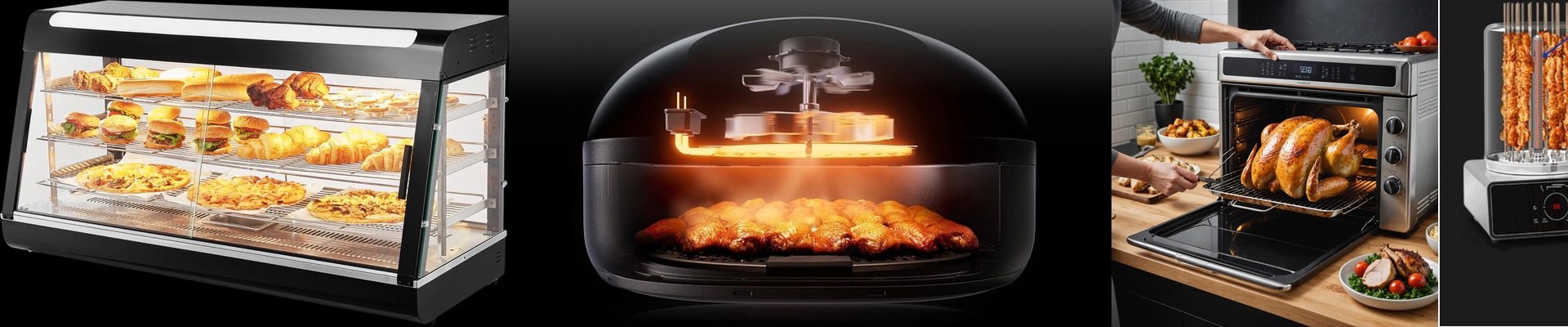
We build these emitters with a high wattage-to-length ratio. By packing all that power into a tight ruby quartz tube, we create an intense point source of radiation. The best part? You don’t have to sit around waiting for the entire oven cavity to “soak” in heat before you start. It ramps up fast. Really fast. But there is a catch. Quartz is sensitive. If you flick these things on and off too aggressively, the thermal shock can actually crack the tube. To keep things from breaking, we suggest using a PID controller. It smooths out the power curves so the glass doesn’t take a beating.
A few tips for the setup
The good news is that these are drop-in replacements for standard IR tubes. We’ve also reinforced the connectors so they don’t fry when the amps start climbing. One last thing: keep your reflectors polished. Use aluminum and keep it shiny. If they oxidize and get dull, you’ll lose about 20% of your heat density. That forces the emitters to work harder and run hotter, which means they’ll burn out way sooner than they should. Keep them clean, and they’ll last.