Getting Your Bread Oven Temperature Right with Linear Infrared Heaters
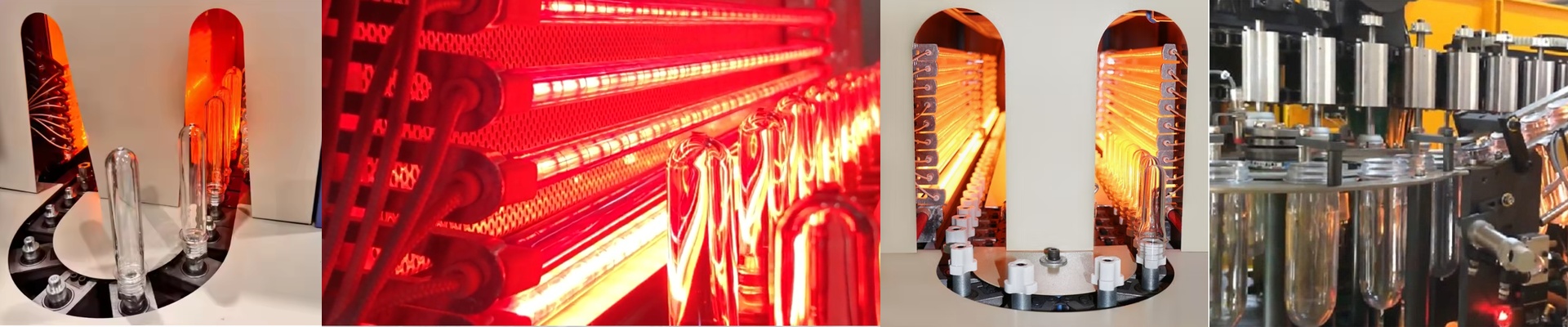
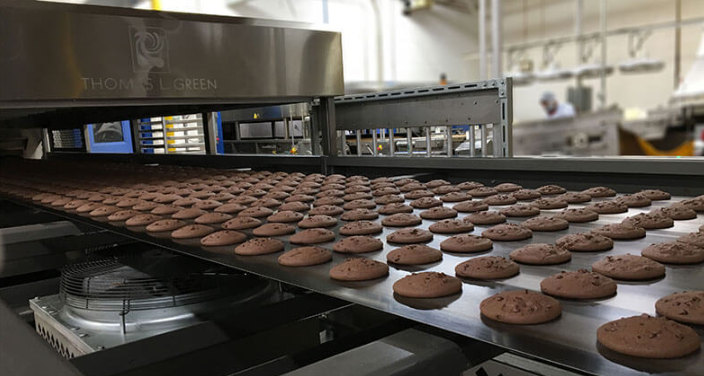
There is nothing worse than pulling a tray of bread out of the oven only to find cold spots or—even worse—burnt edges with a raw center. If you’re just starting out, most of your “fails” probably come down to one thing: the heat isn’t hitting the dough evenly. That’s why we lean on linear infrared heaters. Instead of waiting for hot air to swirl around like a traditional oven, these lamps blast direct heat straight onto the surface of the dough. It’s instant. Why you can’t wing the temperature If your heat isn’t precise, you’ll end up with a crust that’s charred black before the middle is even warm. When we set up these infrared systems, we’re obsessed with response time. These lamps hit their target temperature in seconds. It gives your controller the ability to make tweaks on the fly. If your PID controller is sluggish, you’ll blow right past your target temp and ruin the whole batch. It’s a heartbreaking way to lose a morning’s work. The nuts and bolts We usually go with quartz glass tubes and a tungsten filament. Sometimes, we add a halogen gas fill—that just helps the filament last longer and packs more heat into the space. Because they’re linear, the heat spreads across the whole width of your tray, so no loaf gets left behind. We keep the wiring simple with industrial connectors. That way, if a lamp goes out, you can just pop a new one in and get back to baking. We also use high-temp ceramics for the sockets because, let’s be honest, standard plastic would just melt under this kind of load. Finding the sweet spot Now, you might think “more power equals better bread.” Not exactly. Sure, higher wattage lamps heat up faster, but there’s a catch. If the lamp is too close to the bread and the wattage is too high, you’ll get localized scorching. You have to find a balance between the power and the actual size of your oven. If you cram too many kilowatts into a tiny chamber, the external housing is going to take a beating. Just make sure your ventilation can actually handle the waste heat, or you’re going to have a very hot room and a very stressed-out baker.