Getting Your Oven Temps to Actually Behave
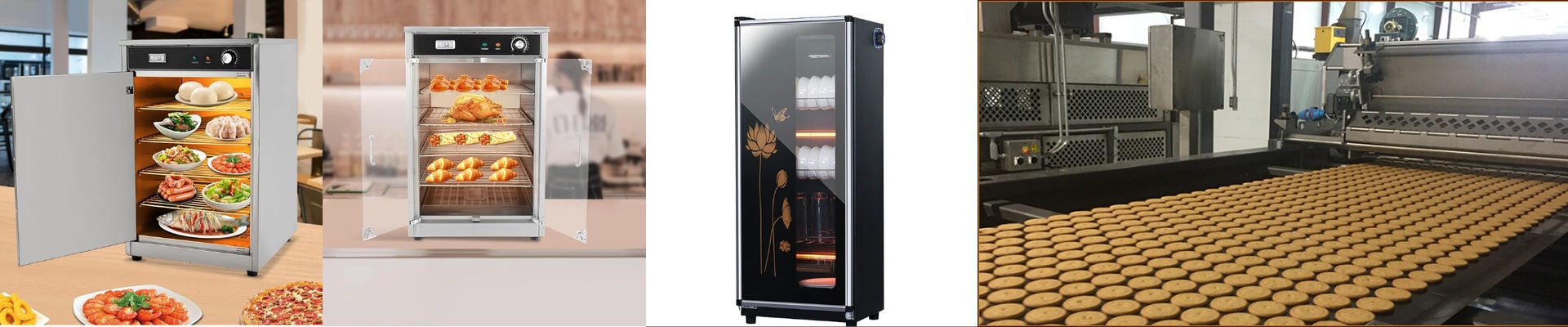
If you’ve ever worked with bakery ovens, you know the struggle. You need the heat to hit a very specific mark, and you need it to stay there. But when you’re flipping the power on and off every few seconds to keep things steady, most heating elements just can’t keep up. They lag. That’s why we built our 250W ceramic infrared heaters.
Why most heaters feel sluggish
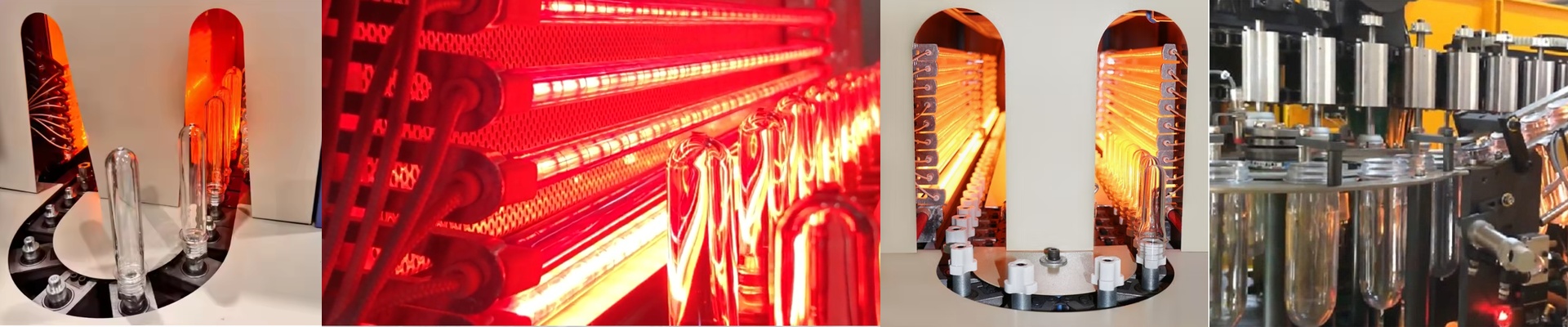
Here is the thing: most heaters rely on a big, heavy mass to hold onto heat. But that same mass is what slows them down. It’s like trying to stop a freight train—it takes forever to get moving and even longer to stop. We went a different route. We used a ceramic blend that doesn’t hold onto unnecessary bulk. The result? As soon as that relay clicks, the element hits its operating temp almost instantly. Plus, since these use short-wave infrared, the heat goes straight into the dough or the pastry. It doesn’t waste time heating up the air around it first. It’s a direct line of energy.
Beating the “burnout” cycle
Usually, switching power on and off that fast is a death sentence for a heater. All that constant expanding and contracting makes the material crack or the filament snap. It’s a nightmare for maintenance. We fixed that by using a reinforced ceramic matrix. It’s tough. It handles the thermal shock without cracking, even if you’re switching dozens of times an hour. But the real secret is how it cools. If a heater holds onto too much leftover heat, you lose control of the bake. Our design lets the element shed heat quickly the moment the power cuts. That puts the control back in your hands (and your controller’s hands).
A couple of things to keep in mind
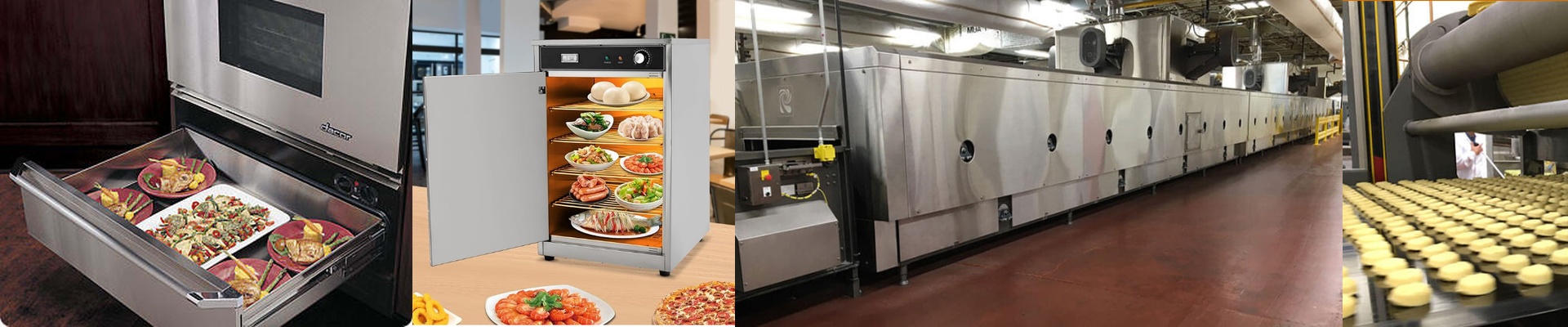
Now, because these heaters are so fast and concentrated, you have to be a bit more mindful of where you put them. If they’re too close to your product, you’ll scorch the top before the middle is even warm. It’s powerful stuff. You’ll also want to tweak your PID settings, since you won’t be dealing with that annoying thermal lag anymore.