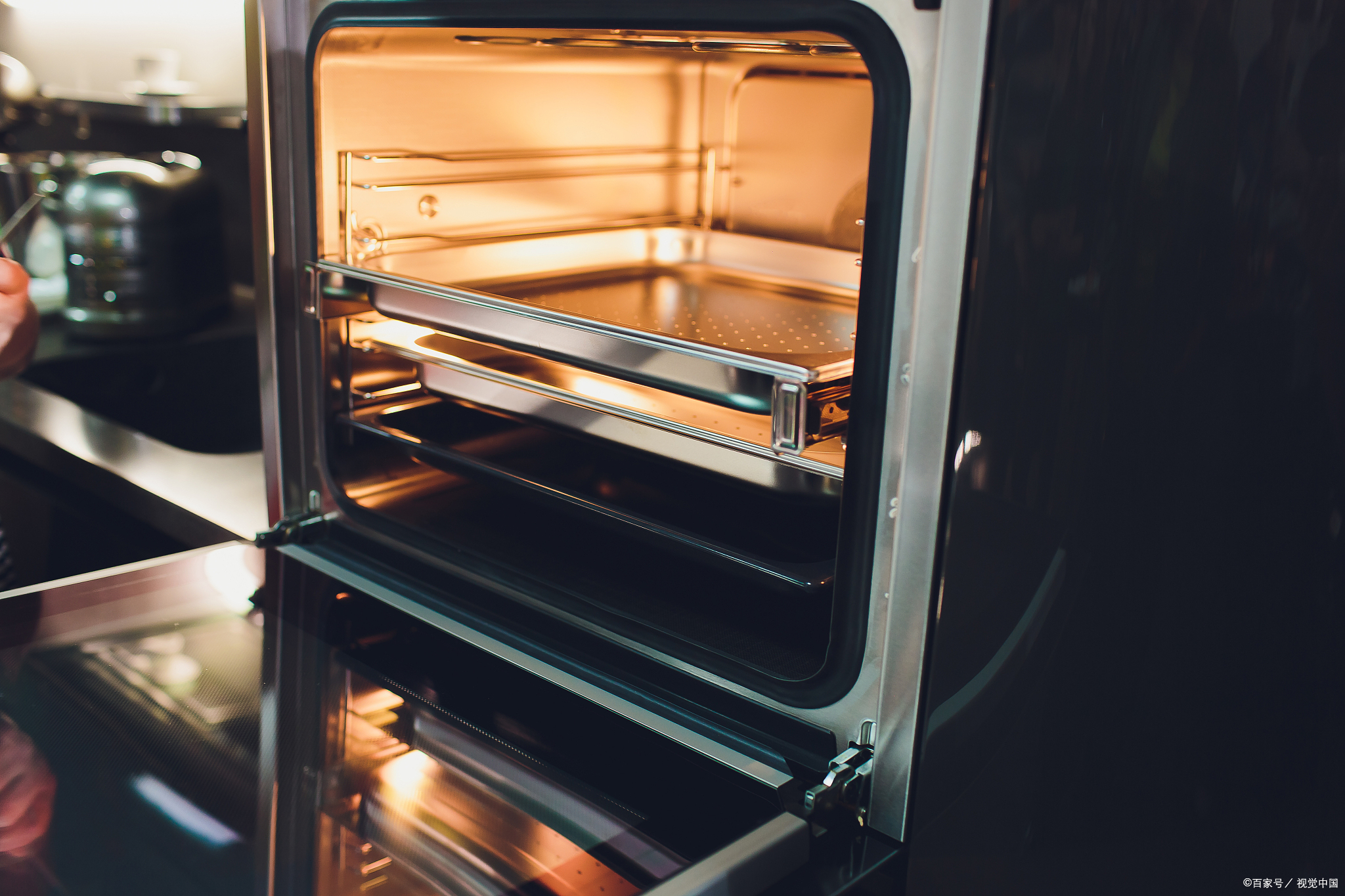
Getting That Perfect Golden Brown with Carbon Fiber IR
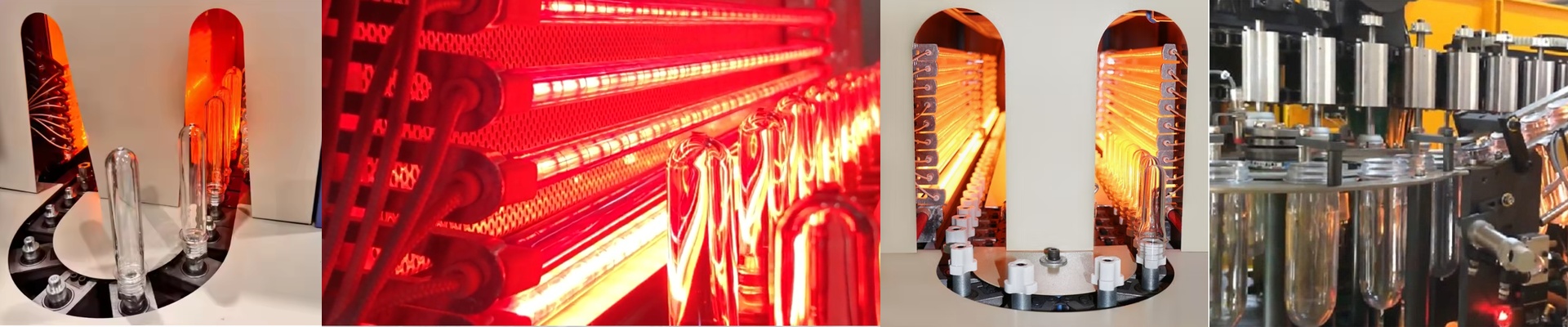
Ever wonder why some bread has that gorgeous, deep golden crust but the inside stays soft and fluffy? It’s all about the Maillard reaction. The trick is hitting the dough with a sudden, intense burst of heat right at the end of the bake. Standard convection air just doesn’t cut it here. It’s too slow. That’s why we use carbon fiber infrared (IR) heaters. They give you that targeted punch of energy needed to nail the finish without drying out the crumb. Why carbon fiber? Think of it this way: traditional nichrome wires are like old radiators—they take a while to warm up. Carbon fiber is different. It’s almost instant. We call it “second-response” heating because the element hits its peak temperature in a heartbeat. In a commercial setup, this is huge. You can trigger a browning cycle for just 30 or 60 seconds, and the photons hit the dough immediately. No waiting around for a heavy piece of metal to get hot. It just happens. Making it work in the oven We usually pair these heaters with convection fans. The fans do the heavy lifting by cooking the inside, while the IR lamps handle the “beauty work” on the outside. Plus, because these lamps pack so much punch, we can keep the oven footprint small. But you have to be careful with the wattage. If you go overboard, you’ll scorch the crust before the middle is even cooked. And since these tubes get incredibly hot in a very small area, your wiring and chassis need to be up to the task. If they aren’t, you’re looking at burnt-out insulation. The trade-offs Now, carbon fiber is way more efficient than quartz or halogen, but it’s also a bit more delicate. You can’t just be rough with these things during cleaning or maintenance. They need to be mounted securely so they don’t shake. One last thing: don’t cheap out on the connectors. Heat makes metal expand and contract. If the connections are flimsy, they’ll loosen up, start arcing, and your lamps will die way sooner than they should.