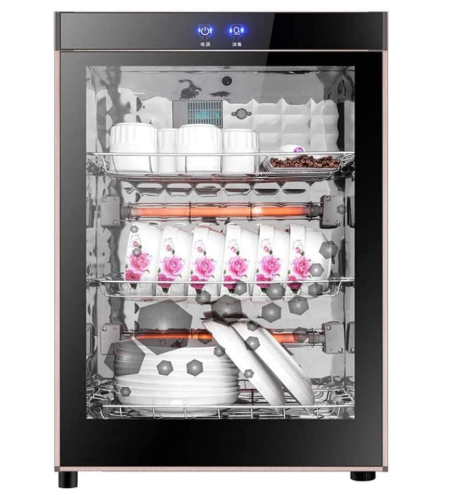
Stop Fighting Your Oven: A Better Way to Handle Heat Gradients
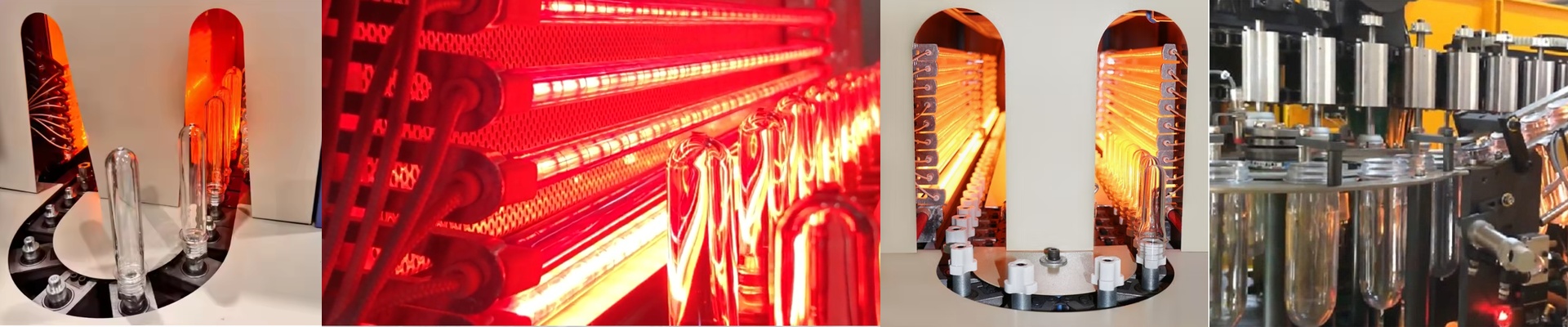
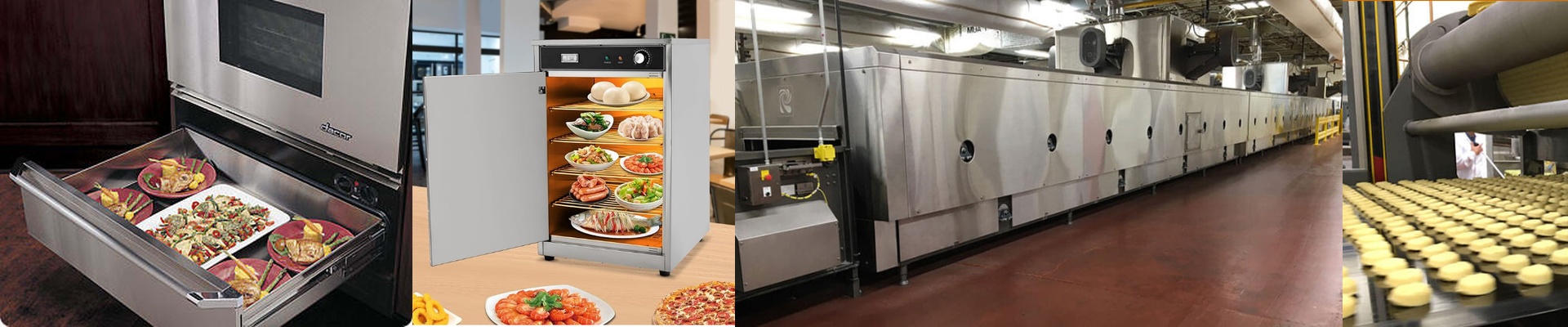
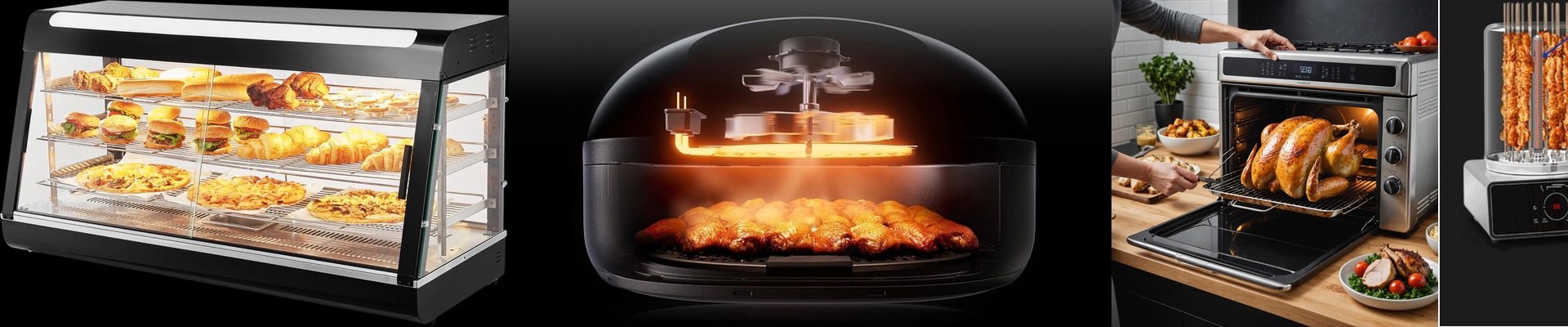
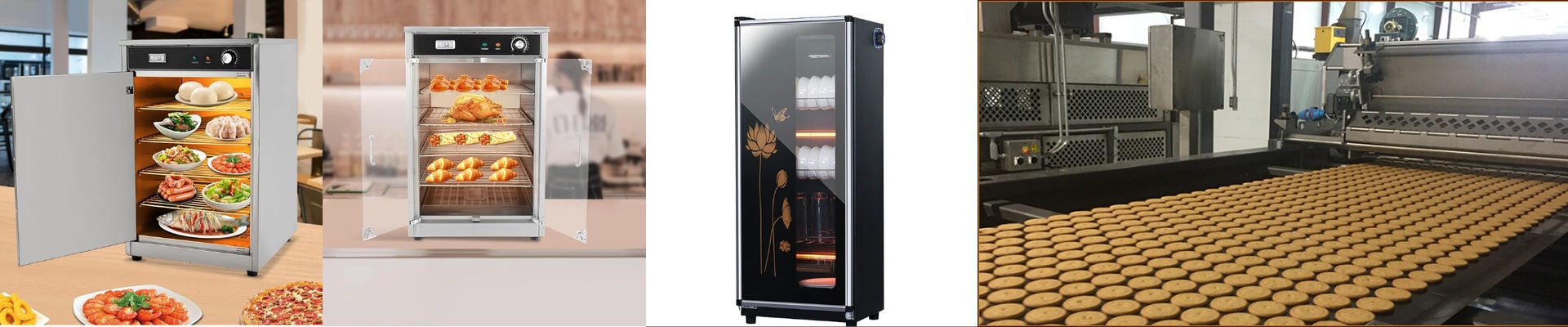
If you’ve ever worked with multi-layer ovens, you know the headache. Heat rises. It’s just physics. But in a production setting, that means your top rack is scorching while your bottom rack is barely keeping up. You end up with a mess of inconsistent cures and wasted batches. Most people try to fix this by pushing more air around, but bulk convection only gets you so far. We found a better way: stop relying on the air and start using independent circular infrared (IR) heating zones. Treat every shelf like its own world The trick to killing that “hot top, cold bottom” problem is to stop treating the oven as one big box. Instead, give every layer its own thermal environment. We use circular IR lamps because they don’t mess around with air currents—they just beam radiant energy straight into the target. It’s direct. It’s fast. By pairing each layer with its own thermocouple and PID controller, you can dial in the exact wattage for that specific spot. If you’re losing heat at the edges or fighting the natural rise of the oven, you just tweak the power for that zone. Simple. What’s actually inside the lamps? We build these with high-purity quartz. Why? Because when you’re cycling heat up and down quickly, cheap glass cracks. Quartz doesn’t. Inside, we use a tungsten filament with a halogen fill. This is a neat little trick that pushes evaporated tungsten back onto the filament, which means the lamps actually last longer. One word of caution: watch your power density. These tubes pack a massive punch in a tiny space. If you crank the wattage too high without enough ventilation, you’re asking for burnt-out lamp ends or fried wiring. Keep it balanced. Getting it onto the shop floor The best part is that these aren’t some complex overhaul. They’re designed as drop-in replacements for your standard circular elements. You can hook them up to your existing SCR power controllers for a response time that feels almost instant. Your ramp-up time disappears. Just do me a favor: keep your reflectors polished. A dirty, dusty reflector kills your efficiency and forces the lamps to run hotter than they need to. Keep them shiny, and everything just works.