Stop Waiting on Your Oven to Catch Up
Most commercial ovens are slow. They rely on heating up the air or some heavy ceramic plate first, and in a busy bakery, that lag is a nightmare. It kills your rhythm and slows down how many loaves you can actually push out the door. That’s why we use shortwave infrared (IR). It basically deletes the “warm-up” phase. You get instant heat.
How it actually works
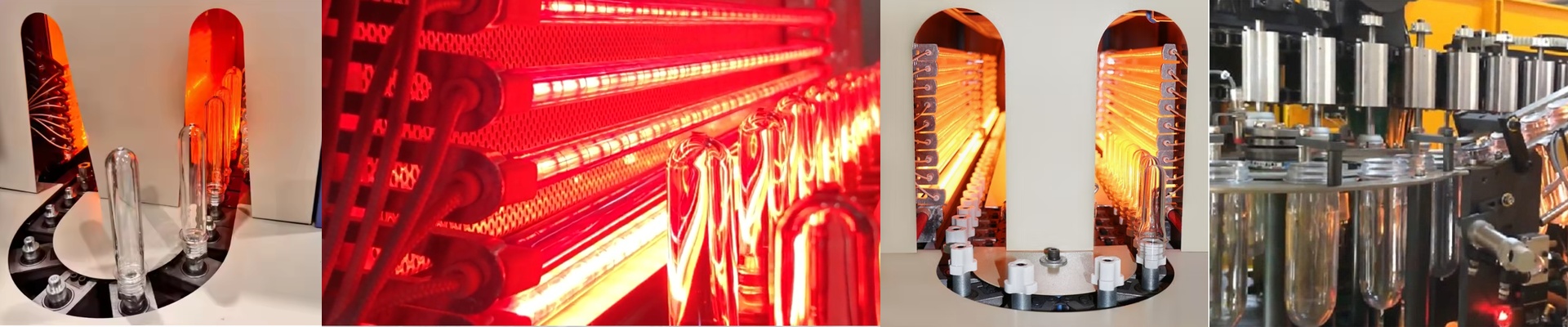
Think of it this way: traditional coils have to warm up the room before the bread even feels it. Our IR lamps skip the middleman. They send energy straight into the surface of the dough. Because it’s so fast, you can flick the heat on and off in a heartbeat. It gives you a level of control that’s hard to find elsewhere. No more guessing games where the crust is charred black but the middle is still raw.
Getting the right fit
If you’re looking for a replacement lamp, pay attention to the wattage and the length. That’s what decides how “dense” the heat is. A high-wattage quartz tube in a small space creates a serious heat zone. We also use specific halogen gas inside the tubes so the filaments don’t just snap when things get blistering hot. One quick tip:**check your connectors.**Whether you’re using an R7s or a pin-base, make sure it’s snug. A loose fit will cause arcing, and that’s a fast track to a burnt-out socket.
A few things to keep in mind
Since shortwave IR hits hard and fast, your oven’s brain needs to be able to keep up. Your control board needs to handle rapid switching (PWM). If the controller is too sluggish, you’ll overshoot your temp and end up with ruined product. Also, bakery environments are brutal. Grease and humidity are everywhere. **Keep your quartz sleeves clean.**I can’t stress this enough. A single fingerprint or a tiny smudge of oil on the glass creates a hot spot. When that spot hits extreme heat, the glass stresses out and cracks. A quick wipe-down saves you from a broken tube and a dead oven.