Getting Your SACMI Rotary Lines Up to Temp, Fast
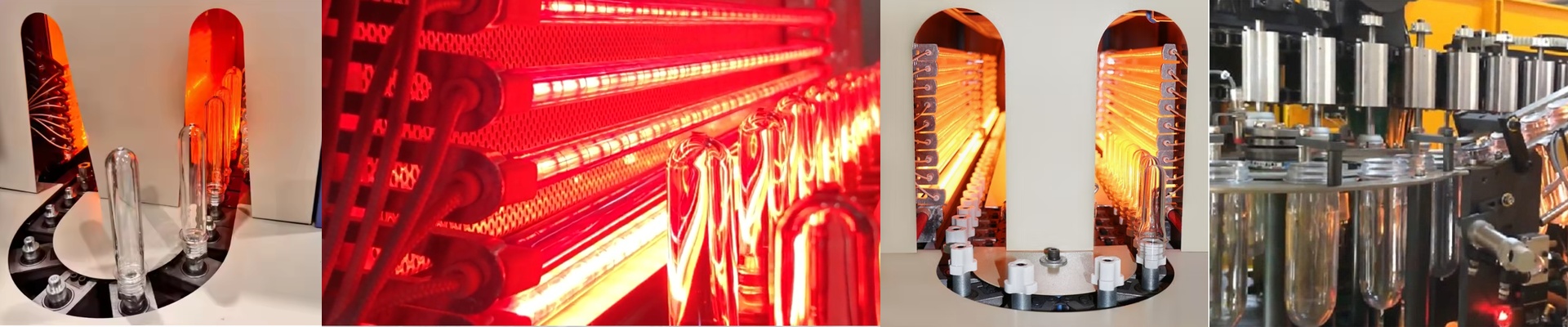
When you’re running a SACMI line at full tilt, you don’t have time to mess around. The window to get those PET preforms preheated is tiny. If your lamps are lagging, you’re losing money. That’s why we built our SBO6 compatible lamps the way we did. We wanted to kill that annoying gap between flipping the switch and actually hitting peak infrared emission.
The Nitty-Gritty on the Heat
Here is the deal: the SBO6 lamp has to hit a very specific voltage and wattage curve. It needs to get the preform to that “sweet spot” (the glass transition temperature) without scorching the outside of the plastic. To make that happen, we used a high-density tungsten filament wrapped in high-purity quartz. It’s a simple setup, but it works. These lamps hit their operating temperature in milliseconds. You’re getting concentrated short-wave IR. It punches through the PET plastic way faster than the long-wave stuff. But, that kind of heat density is brutal on the ends of the lamp. We’ve spec’d these tubes specifically to handle the constant expanding and contracting that happens every time you start or stop the machine.
Built for the Actual Shop Floor
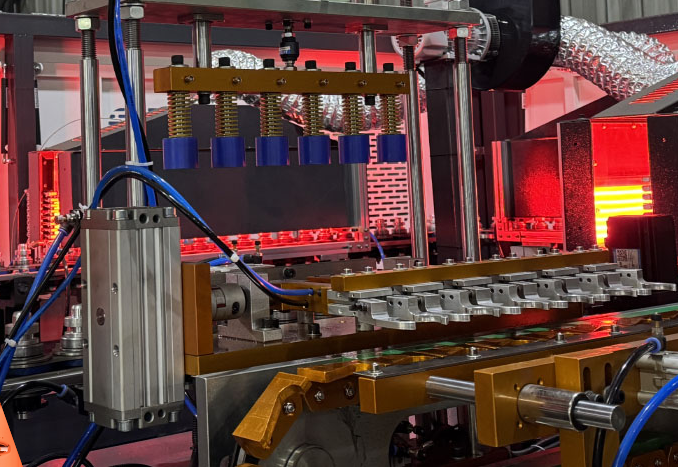
Nobody wants to spend their afternoon rewiring a machine. So, we used standardized connectors. You just pop them in and go. We also treated the quartz envelope. If you’ve ever seen lamps get that “frosty” look because organic gunk burned onto the glass, you know how much that sucks. Our treatment stops that from happening. Plus, since they warm up faster, you aren’t tossing as many ruined preforms in the scrap bin during startup. We focused on reducing the “thermal inertia”—basically, the filament just reacts faster.
A Few Things to Watch Out For
Now, look, nothing is magic. Fast start-ups put a lot of stress on the tungsten. If your power grid is messy and you’ve got voltage spikes, you’re going to burn through lamps faster. It’s worth double-checking your SCR settings. You want the ramp-up to be aggressive, sure, but it still needs to be controlled. And one last thing: keep an eye on your cooling blowers. If they’re clogged with dust, the ambient heat is going to cook your lamps from the outside in. No matter how good the quartz is, it can’t fight a lack of airflow.