

Stopping the “Pearling” Problem in Rotary Blow Molding
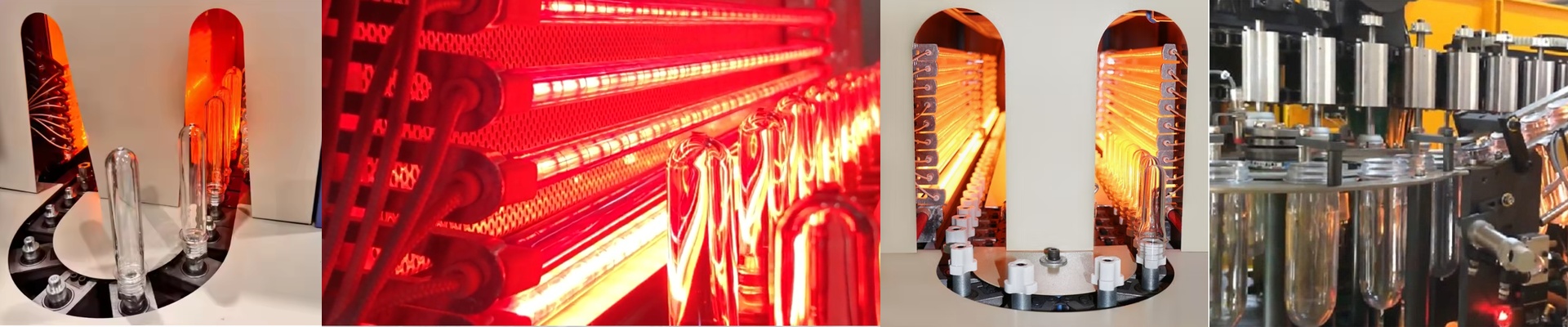
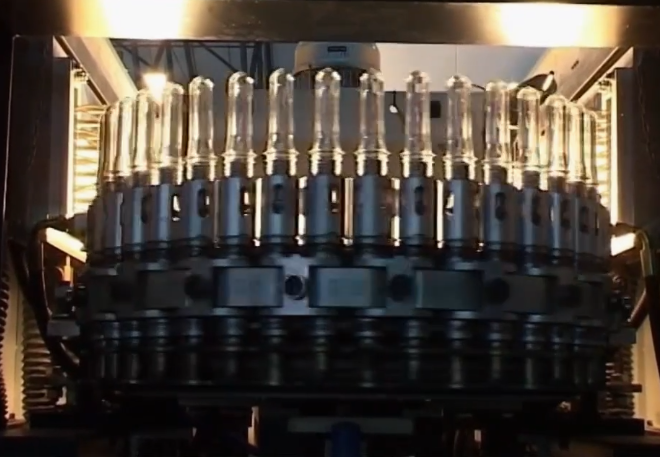
If you’re running PET production at high speeds, you know the timing is everything. You’ve only got a tiny window to get that preform heated just right. We built our 380V replacement bulbs specifically for the brutal pace of Sidel SBO and SACMI rotary machines. When you’re pushing for maximum output, even a split-second lag in the lamp ignition can ruin a batch. You end up with uneven walls or that annoying “pearling” effect on the bottles. It’s frustrating, and it wastes material. Why 380V? Here’s the thing: we use 380V because it lets us pack more power into the same amount of space. By pushing more wattage through the tungsten filament, the lamp hits its target temperature way faster. It’s a simple drop-in replacement. It matches your OEM electrical load, so you don’t have to rewire anything. You just swap them in and get back to work. Built to take a beating We use heavy-wall fused quartz to house the halogen cycle. This isn’t just for show—it keeps the tungsten from burning out too early by pushing evaporated metal back onto the filament. And let’s be real: things go wrong on the floor. Maybe a cooling blower flickers or fails. These tubes are designed to handle that kind of thermal shock without cracking, which is something you won’t always get with the cheap, generic alternatives. A few tips from the field These lamps are tuned for the rhythm of SACMI and Sidel lines. We’ve tweaked the filament geometry to kill off those “cold spots” that usually happen during start-up. But a word of advice: 380V creates some serious infrared heat. If your oven reflectors are dirty or pitted, you’re throwing away a huge chunk of that energy. The heat ends up soaking into the machine frame instead of hitting the preform. Keep those reflectors polished. And for heaven’s sake, make sure your ventilation is working. If the air doesn’t move, those sockets will melt under a heavy load.